A Travel Guide from Someone Who Can't Stop Returning
Last Updated on Feb 2026 | Visited in 2023 . 2025 . 2026
Penang is a Malaysian state on the northwest coast of the Peninsular, best known for its food, multicultural heritage, and the UNESCO-listed streets of George Town. This Penang travel guide covers transport, accommodation, food, and what to do — built from multiple visits to one of Malaysia's most return-worthy cities.
Most people who love Penang will tell you it was love at first visit.
For me, it took a pandemic, a cancelled trip, and a set of flight credits with an expiry date to get me there at all.
I'm Malaysian. I knew Penang the way most Malaysians know it — by reputation. The food, of course. The street art. The old shophouses in colours that somehow still look deliberate after a century. But I rarely travel domestically. The traffic in KL is exhausting enough on a weekday; spending a weekend voluntarily sitting in a car or driving for four or five hours felt less like a holiday and more like a different kind of tired. So Penang stayed on the list, quietly, somewhere between "eventually" and "maybe next year."
Then 2020 happened. The oversea trip I had planned fell apart. I had flight credits, a finite window to use them, and a shorter list of places I could actually reach. Penang has an airport. That turned out to be enough.
I researched that first trip the way I research most things — carefully and probably excessively. How to get around without a car. Where to stay so I could walk everywhere. What to eat and, more importantly, where. I planned three days, two nights, almost entirely in George Town. I came home surprised at how completely I had fallen for the place, and already thinking about when I could go back.
I've been back twice since. 2025. Then 2026. Each time with a slightly different agenda — less of the tourist trail I'd already covered, more of the streets I hadn't yet turned into. More time with my camera. More meals at places that don't have a queue stretching around the block because no one has written about them yet.
This guide is built from all of those trips. It covers how to get to Penang without driving yourself there, where to base yourself, what to see in George Town on foot, where to eat, what to buy, and the parts of this city that only reveal themselves when you stop rushing and start walking. I'll keep updating it each time I go back — which, at this rate, will be soon.
In This Guide:
What Penang Is Famous For · George Town Heritage · How to Get There from KL · Where to Stay · Getting Around · What to Do · What to Eat · Where to Go After Penang · FAQs
What Is Penang Famous For
Penang is a Malaysian state made up of Penang Island and a small strip of mainland called Seberang Perai. Most visitors — and most of what you've heard about Penang — are really talking about George Town, the island's capital and its historic, UNESCO-listed core.
There are three things Penang is genuinely known for, and all three are worth the reputation.
The food. Penang has a strong claim to being Malaysia's food capital, which is a significant claim in a country that takes food seriously. The cooking here draws from Chinese, Malay, Indian, and Peranakan (Straits Chinese) traditions, and the specific versions of dishes you find in Penang — Char Koay Teow, Asam Laksa, Cendol, Nasi Kandar — are distinct from what you'd find anywhere else in the country. The best versions are rarely in restaurants. They're at market stalls and kopitiam that have been run by the same families for decades.
The heritage. George Town was inscribed as a UNESCO World Heritage Site in 2008, alongside Melaka, for its extraordinary concentration of well-preserved colonial and pre-colonial architecture. The streets hold a layered record of the communities that shaped this city — Chinese clan houses, Malay kampung, Hindu temples, mosques, and British colonial buildings — often standing within a few minutes' walk of each other. Much of it has been restored. Much of it is still lived in.
The street art. The murals are what brought a lot of younger visitors here in the first place, and the most famous ones — particularly Ernest Zacharevic's Children on a Bicycle on Armenian Street — are still worth seeing. But the street art is the entry point, not the destination. George Town reveals considerably more once you stop looking for the murals on your map and start looking at everything around them instead.
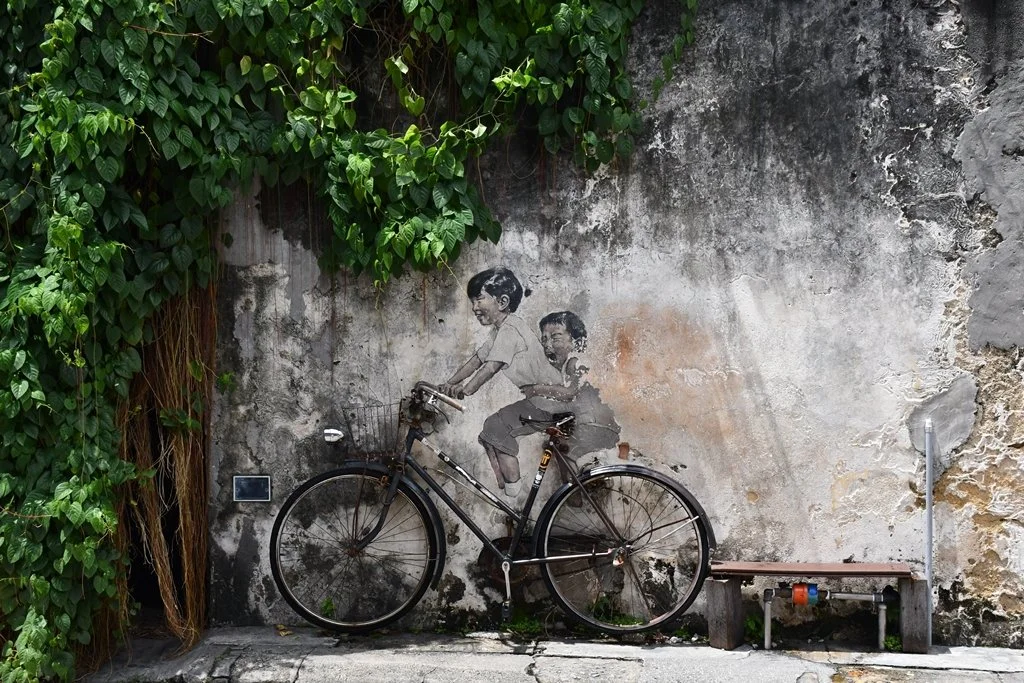
Ernest Zacharevic's Children on a Bicycle mural on Armenian Street
What I didn't expect, on that first trip, was how safe the city felt. Not in a vague, reassuring-travel-writing way — I mean the kind of gut-feeling ease that comes when a place just doesn't put you on edge, even in quieter lanes at dusk with a camera around your neck. That instinct turned out to be consistent with data: Penang ranked 77th globally in Numbeo's 2025 safety index, making it one of the safest cities in Southeast Asia.
What Is the George Town UNESCO World Heritage Site
The UNESCO inscription covers the historic inner city of George Town, recognising it as having a "unique architectural and cultural townscape without parallel anywhere in East and Southeast Asia."
George Town was established as a trading port by Francis Light in 1786 Wikipedia and over the following two centuries became home to successive waves of migrants — Chinese, Indian, Malay, Arab, and European — each leaving behind buildings, places of worship, and cultural traditions that were absorbed into the city rather than replaced by it. The result is an urban environment where a Hokkien clan house, a Hindu temple, and a colonial courthouse can share the same street without any of them feeling out of place.
The heritage area is dense, compact, and almost entirely walkable. The buildings are not behind glass or roped off for observation — they are functioning shophouses, working temples, lived-in homes. That quality, the sense of a city that is preserved because it is still in use, is what makes George Town feel different from heritage sites that have calcified into museums of themselves.
George Town doesn't run out of things to discover. Jalan Kek Chuan — a row of pastel shophouses running north from Penang Road — was named one of the 17 most beautiful streets in the world by House Beautiful, and it's still on my list for the next trip. That's the thing about this city: even after three visits, there are streets I haven't walked yet.
A note on timing: the heritage core is busiest on weekends and Malaysian public holidays. If your schedule allows, arriving mid-week gives you the streets at a quieter pace — better for walking, and considerably better for photography.
How to Get to Penang from Kuala Lumpur
Most Penang travel guides assume you're flying or driving. I want to talk about the option I wish someone had told me about earlier.
A note before the transport options: if you're spending time in KL before heading to Penang, it's worth exploring Kuala Lumpur — Chinatown's heritage layers, Bangunan Sultan Abdul Samad, and the neighborhoods that shaped Malaysia's capital. Understanding KL's colonial and multicultural architecture makes walking through George Town's UNESCO zone more meaningful when you arrive. The two cities share DNA; seeing one enriches seeing the other.
There are four ways to get from KL to Penang:
Drive. Around four to five hours from KL, depending on traffic and how optimistic you are about the Karak Highway on a Friday evening. Convenient if you're bringing a lot of gear or planning to explore beyond George Town, but I've always found the drive more draining than the trip is worth — especially when you still have to deal with parking on the island.
Fly. The fastest option at under an hour, and usually affordable if you book in advance. Penang International Airport is well-connected from KL. The trade-off is the airport-to-George Town transfer time, which adds back what you saved in the air.
Bus. The most budget-friendly option, with multiple operators running the KL-to-Penang route. Journey time is roughly four to five hours depending on the service and stops. Comfortable enough for an overnight trip.
ETS train. The ETS train. This is the one I'd recommend, and the one most guides underwrite. The Electric Train Service (ETS) runs from KL Sentral to Butterworth, the mainland station just across the water from Penang Island, in around four hours. It's smooth, comfortable, and business class comes with access to a lounge before departure, a snack, and a meal during the journey. You arrive actually rested.
One note on regional travel: from Penang, Taiping is 90 minutes south by car or a short train ride from Butterworth. If you have 5-7 days total, the combination works well — Penang for the heritage and food, Taiping for the lake gardens and slower pace. Worth considering if you're building a longer Perak itinerary.
Why I Take the ETS to Penang
The train journey is part of the experience, not just the logistics. From KL Sentral, the ride takes you through the west coast of the Peninsula — past palm plantations, small towns, and stretches of countryside you simply don't see from a plane window or a highway. The train is smooth and cold — bring a jacket regardless of how warm it is when you board.
As the route approaches Tasik Bukit Merah, the lake view is worth having your camera ready for: sit near the window if you can, and keep it accessible rather than buried in your bag. The same route also stops at Taiping — one of Malaysia's most underrated towns and worth a visit in its own right. If you have flexibility in your itinerary, pairing a night or two in Taiping before continuing to Penang turns the journey into its own small trip.
Business class is worth the upgrade: the lounge at KL Sentral (Ruby Lounge) gives you somewhere quiet to wait before boarding, and having a meal sorted during the journey means you arrive in Butterworth ready to go.
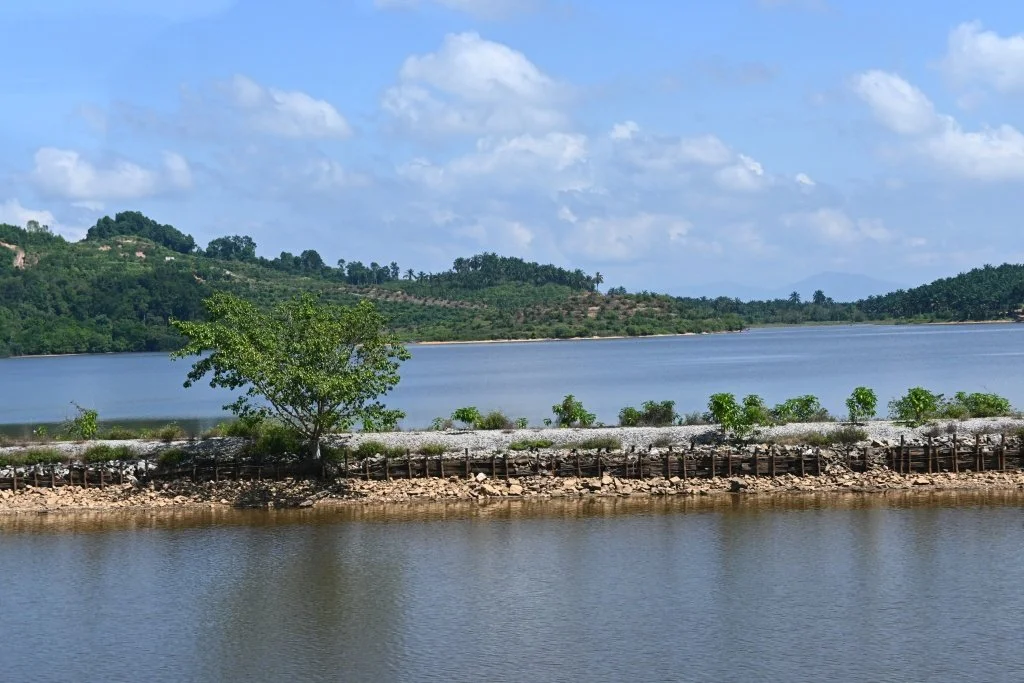
Tasik Bukit Merah view from train
From Butterworth station, you have two options onward. The Penang ferry terminal is a short walk from the station — the crossing takes around twenty minutes and drops you at Pengkalan Weld jetty in George Town, within easy walking distance of most heritage hotels. The crossing is worth doing at least once: you get a clear view of the Penang Bridge from the water, and it's a natural decompression between journey and destination. Alternatively, Penang Sentral — where the train stops — has Grab readily available, and a direct ride to your accommodation in George Town takes around 30 to 40 minutes, which is the more straightforward option if you're travelling with luggage.
If you're staying in George Town for your entire trip, the ETS gets you there comfortably — and once you've arrived, you largely won't need anything beyond your feet and Grab for the rest of the stay.
Tip: Book ETS tickets in advance through the KTM website or app, especially for weekend travel and public holidays — seats sell out.
Where to Stay in Penang
My recommendation is straightforward: stay in George Town, and stay somewhere with character.
The area has no shortage of hotel options across every price point, but the ones worth seeking out are the heritage hotels — converted shophouses and colonial-era buildings that have been carefully restored. Staying in one puts you inside the UNESCO zone itself, within walking distance of almost everything worth seeing, and in a building that already has a story before you've unpacked.
I've stayed at three across my visits, and each one left a different impression.
Hotel Penaga sits on a quiet stretch within the heritage core, occupying a row of restored shophouses. It has the kind of unhurried atmosphere that fits George Town well — considered rather than flashy, with enough history in the walls to remind you where you are. Some rooms come with jacuzzi tubs, which is a small luxury that feels oddly right in a heritage building. It sits at the higher end of the price range for George Town stays, but the setting earns it.
Armenian Street Heritage Hotel does exactly what the name suggests: puts you on one of George Town's most storied streets, steps from the murals, clan houses, and shopfronts that most visitors spend their first morning searching for on a map. Waking up already inside that is a different kind of experience.
Chulia Heritage Hotel sits along Chulia Street — one of the oldest and most characterful streets in the heritage zone. It's well-placed for the night food scene, and the street itself has enough texture to be worth walking slowly even if you're not going anywhere in particular.
All three are within comfortable walking distance of the major sites in George Town. None of them feel like they could be anywhere else.
If your budget allows, I'd lean toward a heritage stay over a chain hotel — the location and character are part of the Penang experience, not just a place to sleep.
Getting Around Penang
Once you're in George Town, you largely don't need to think about transport. The heritage zone is compact and built for walking — which is exactly how it should be experienced. Most of the places worth seeing are within comfortable reach on foot, and the slower pace means you actually notice things: a temple tucked between shophouses, a mural you'd have driven past, a kopitiam that's been there for decades with no signboard worth photographing.
For anywhere that's further out — Penang Hill, Kek Lok Si, or spots beyond the heritage core — Grab is easy and reliable. Wait times in George Town are short, and it removes the stress of navigating unfamiliar roads or negotiating fares.
The ferry between Penang Island and Butterworth deserves a mention of its own. It's cheap, runs regularly, and the twenty-minute crossing gives you one of the better views of the Penang Bridge you'll get without a car. Worth doing at least once — not just as transit, but as an experience in itself.
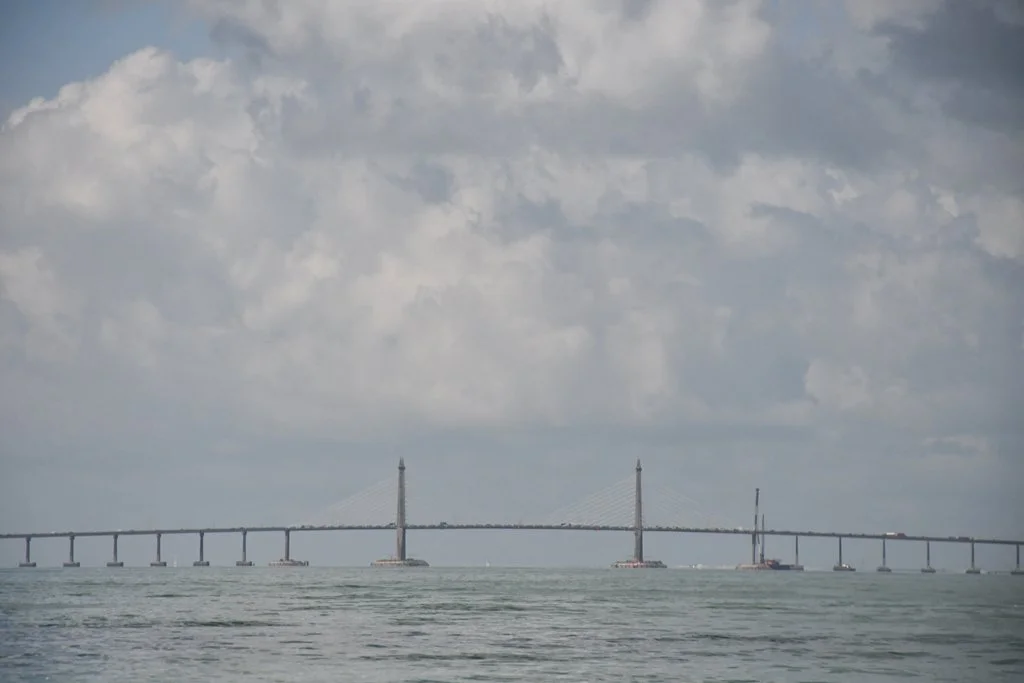
Penang Bridge view from ferry
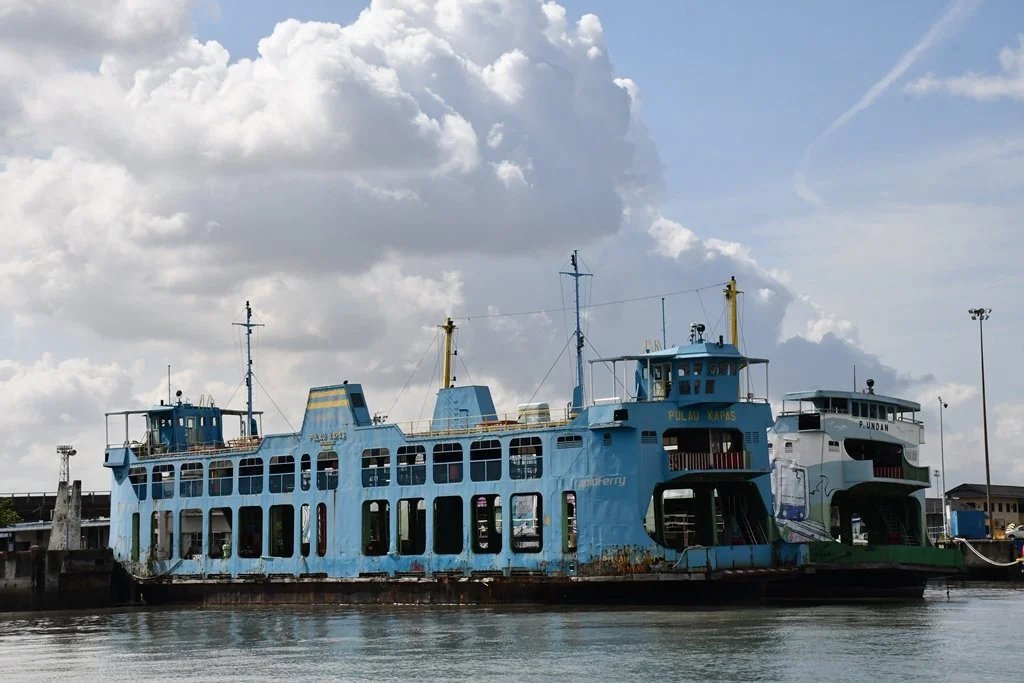
The old ferry
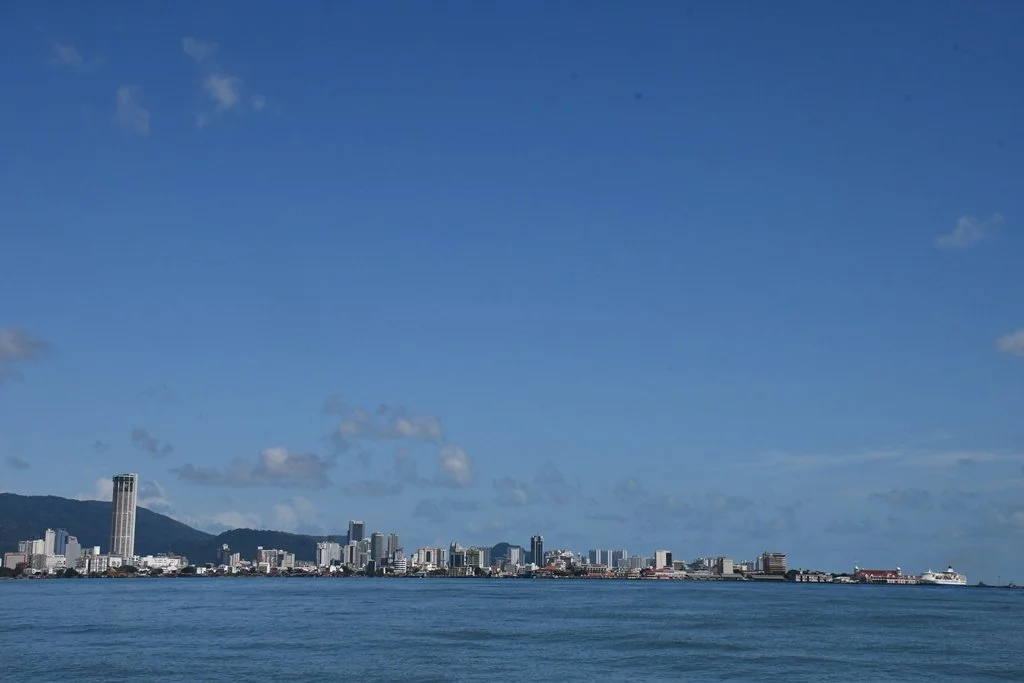
View of Penang Island - Approaching Penang Island by ferry
The rule is simple: walk within George Town, use Grab for everything beyond it.
What to Do in Penang
Most of what makes Penang worth visiting is concentrated in George Town, which makes it unusually easy to structure your time. No car needed, no fixed itinerary required. The best moments tend to happen between the planned stops anyway.
Here's how I think about it across a typical three-day trip.
George Town rewards slow movement — the more time you give it, the more it gives back.
Get Lost in George Town on Foot
This is, genuinely, the activity. George Town's heritage core rewards wandering more than almost any other city I've visited in Malaysia. The streets are layered with clan houses, places of worship, colonial buildings, and working shopfronts that have barely changed in decades — and the street art woven through it all gives you a reason to look up, look down, and slow down.
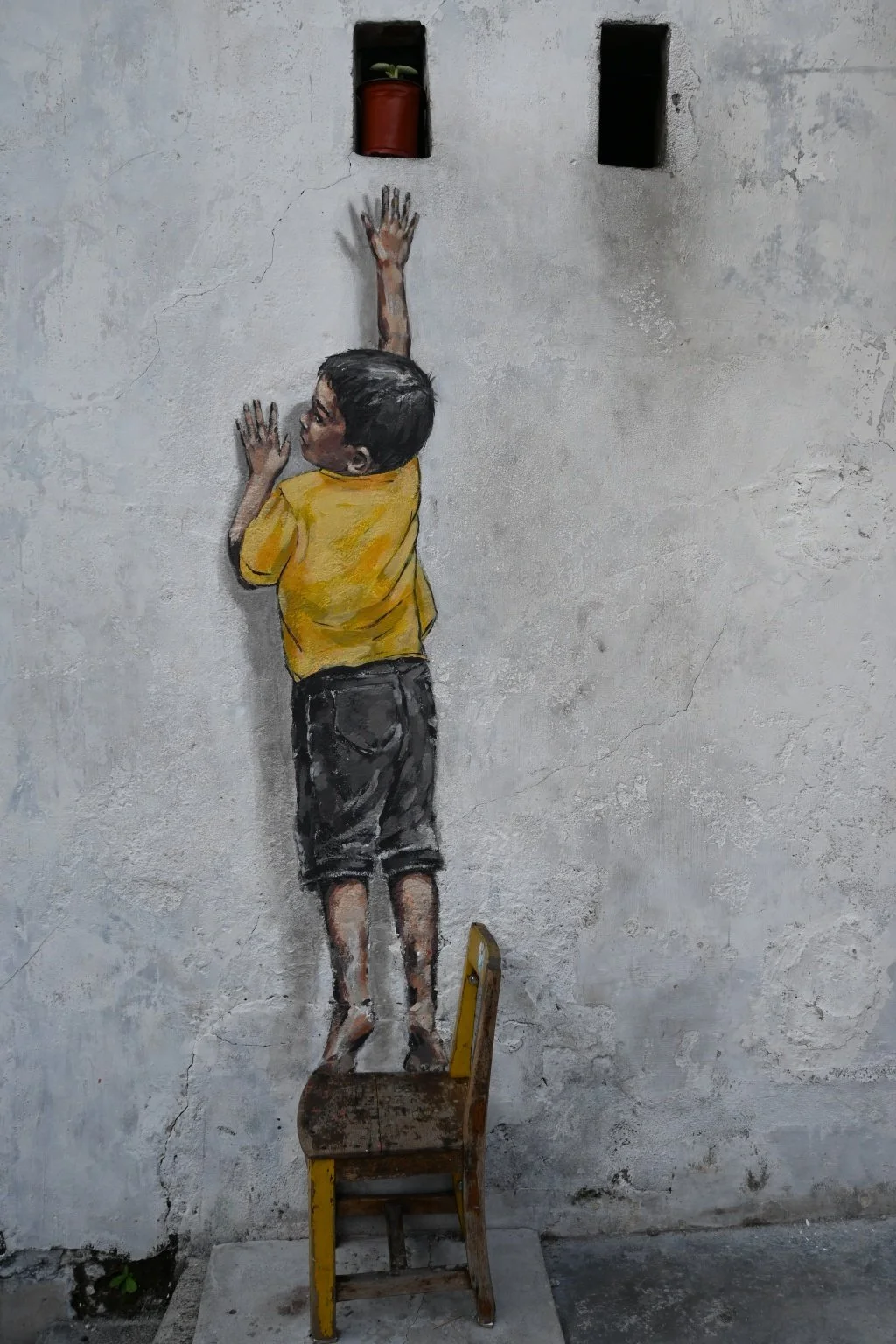
"Boy on Chair" located at Lebuh Cannon.
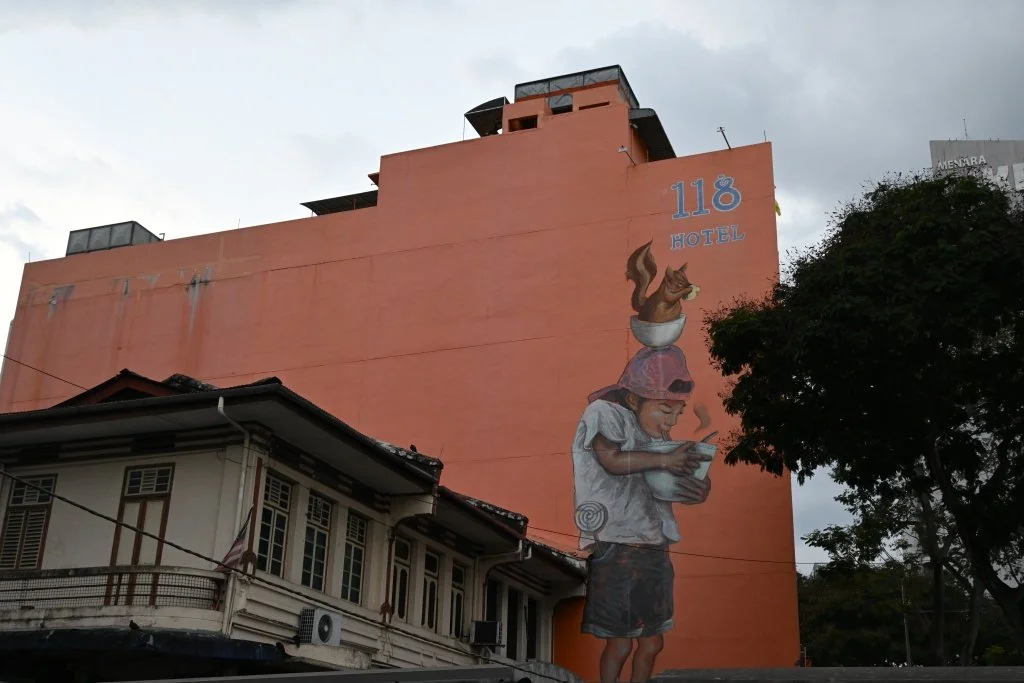
“Greedy Boy” (AKA 贪吃小子 Tān Chī Xiǎozi) Mural located at the side of 118 Hotel Macalister - depicts a young boy eating noodles with a squirrel on his head. Drawn by Malaysian artist: Vincent Phang (aka VP), Yong Li Chuan (Sakai) and Ang Zu He (AhHe).
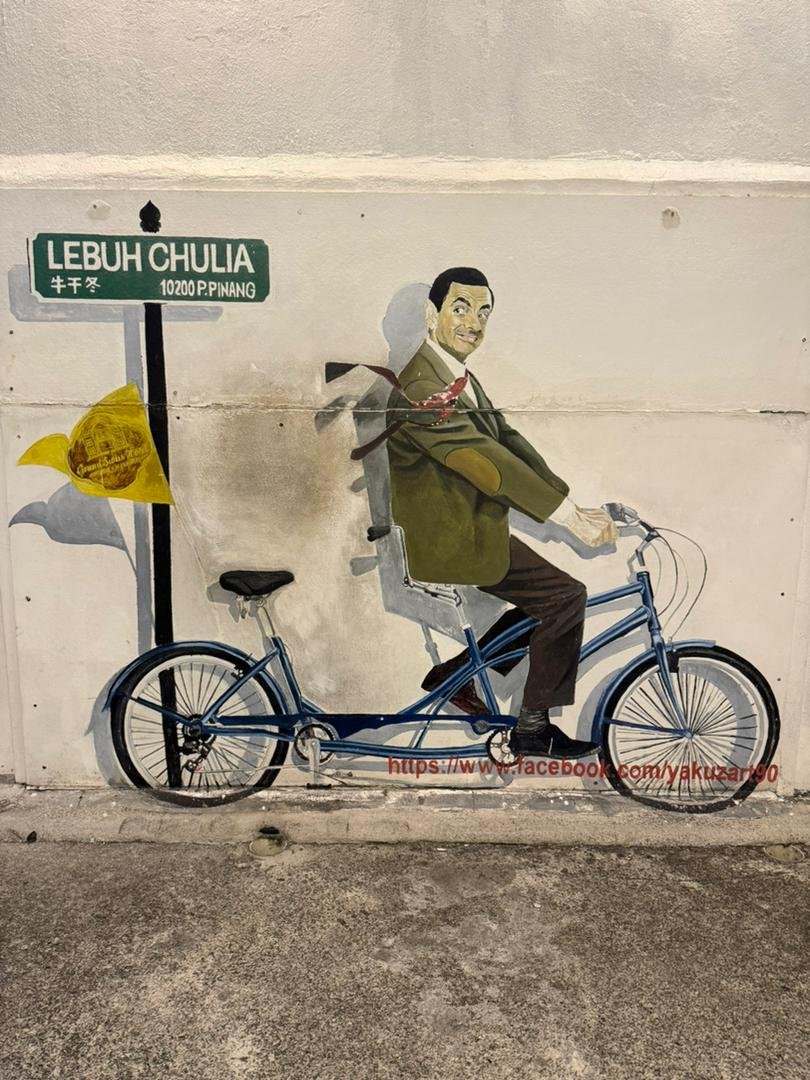
Grand Swiss Hotel Mural - Mr Bean (Lebuh Chulia)
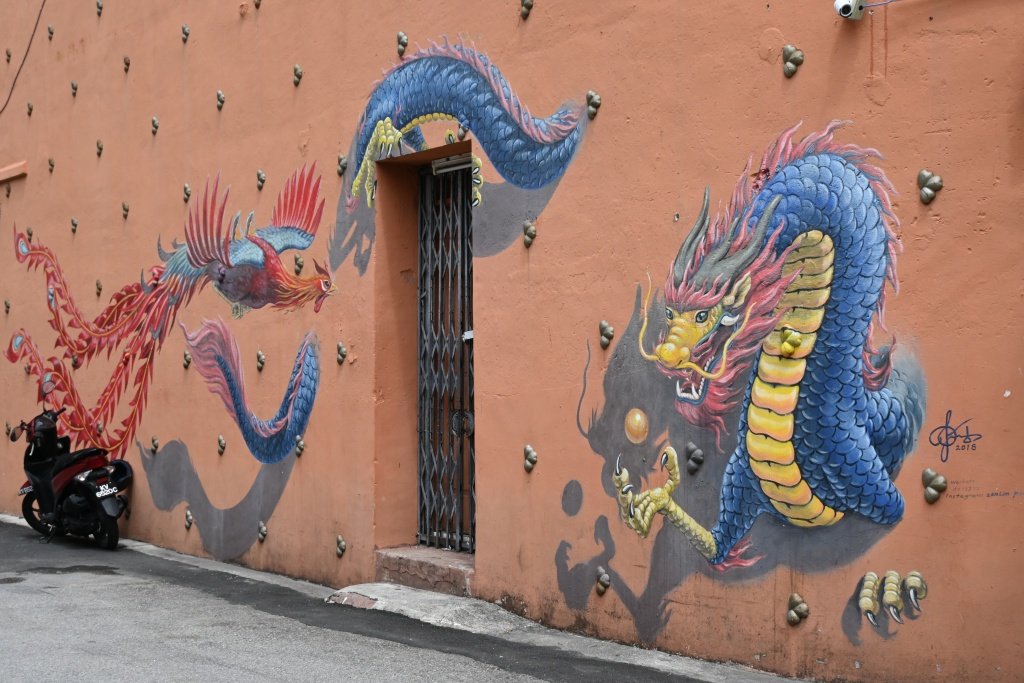
“A Dragon and a Phoenix” mural painted by a local artist named Zen Lim. This mural is located at Carnarvon Street
Armenian Street is the natural starting point. It's where you'll find the most famous murals — including Ernest Zacharevic's Children on a Bicycle, the one most visitors come specifically to see — alongside the Sun Yat-Sen Museum, independent shops, and a stretch of restored shophouses that photograph well at almost any hour. The Assam Laksa at My Own Café, run by a friendly family right on the street, is worth stopping for.
Khoo Kongsi is one of the most elaborately decorated clan houses in George Town — a Hokkien clan temple that has been meticulously maintained and is open to visitors. It's a short walk from Armenian Street and easy to underestimate from the outside.
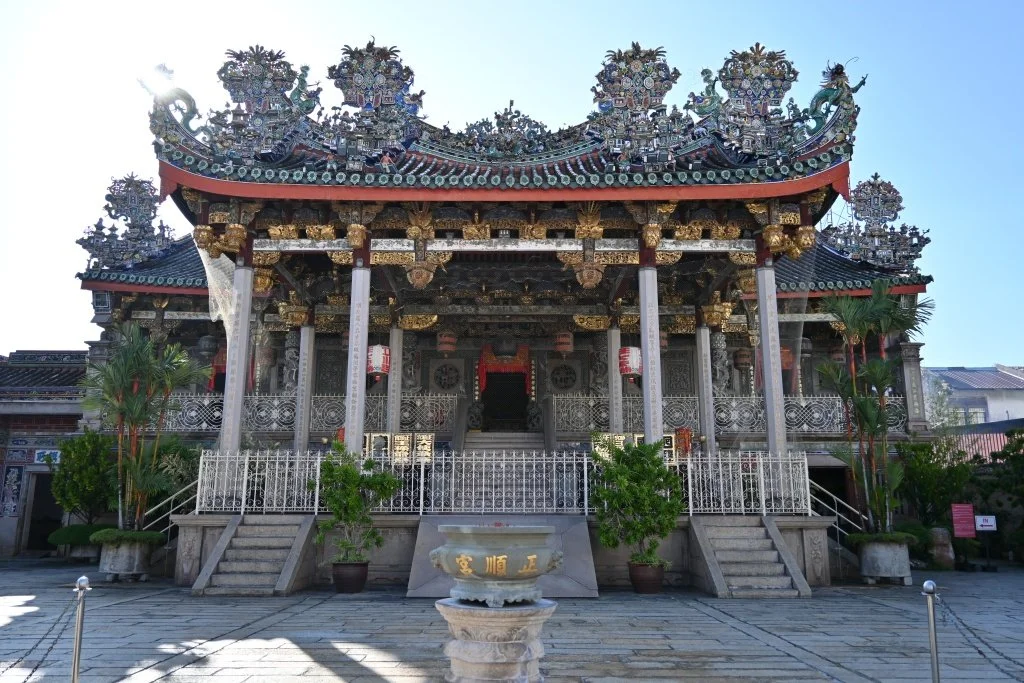
Khoo Kongsi
The Pinang Peranakan Mansion is one for anyone interested in the Straits Chinese (Baba-Nyonya) heritage. The interiors are extraordinary — dense with antiques, ornate furniture, and decorative detail that reflects the particular cultural blend that defines so much of Penang's identity.
Don't leave George Town without walking Jalan Kek Chuan, a row of pastel shophouses that was named one of the 17 most beautiful streets in the world by House Beautiful. It's on my list for the next visit — one of those corners of George Town that keeps giving you a reason to come back.
Spend a Morning at the Clan Jetties
The Clan Jetties along Weld Quay are a series of water villages built on stilts above the sea, connected by planked walkways and named after the Chinese clans that settled them — Chew Jetty, Tan Jetty, Lee Jetty, Yeoh Jetty, and a mixed New Jetty among them. They were established in the 19th century and, remarkably, are still lived in.
Chew Jetty is the largest and most visited, which means it can feel busy during peak hours. The quieter jetties — Tan, Lee, Yeoh — have more of the stillness that makes this place worth visiting. Walk slowly, don't rush it, and go early if you're bringing a camera.
Near Yeoh Jetty, the Hean Boo Thean Kuan Yin Temple is one of the more striking temples in the area — elevated above the water, with a view back toward the city that's worth the short detour.
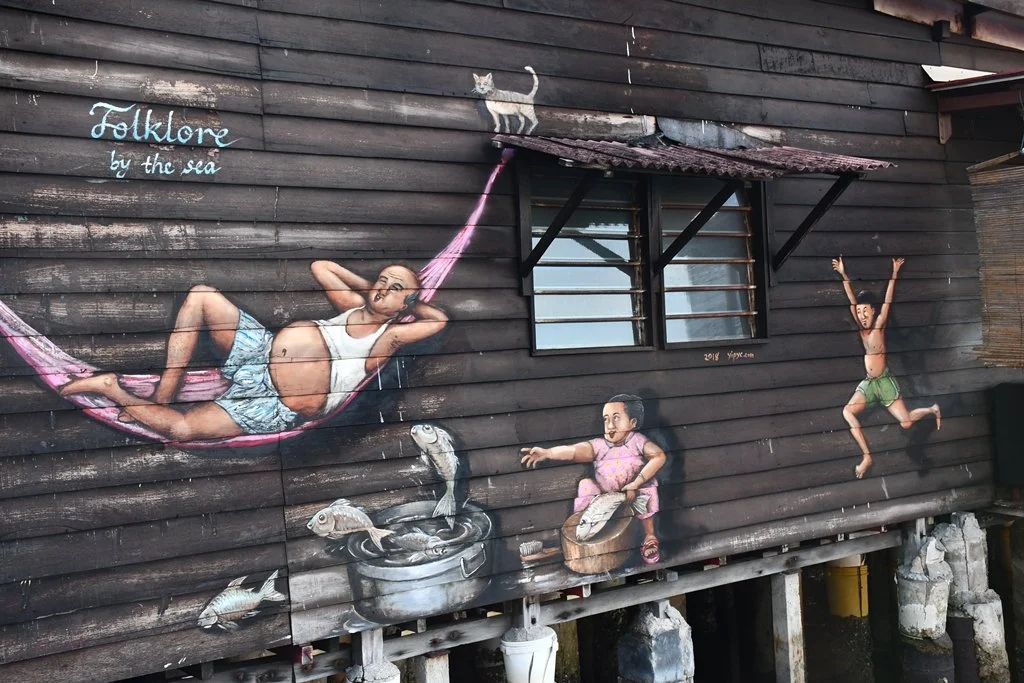
Street Art at Chew’s Jetty
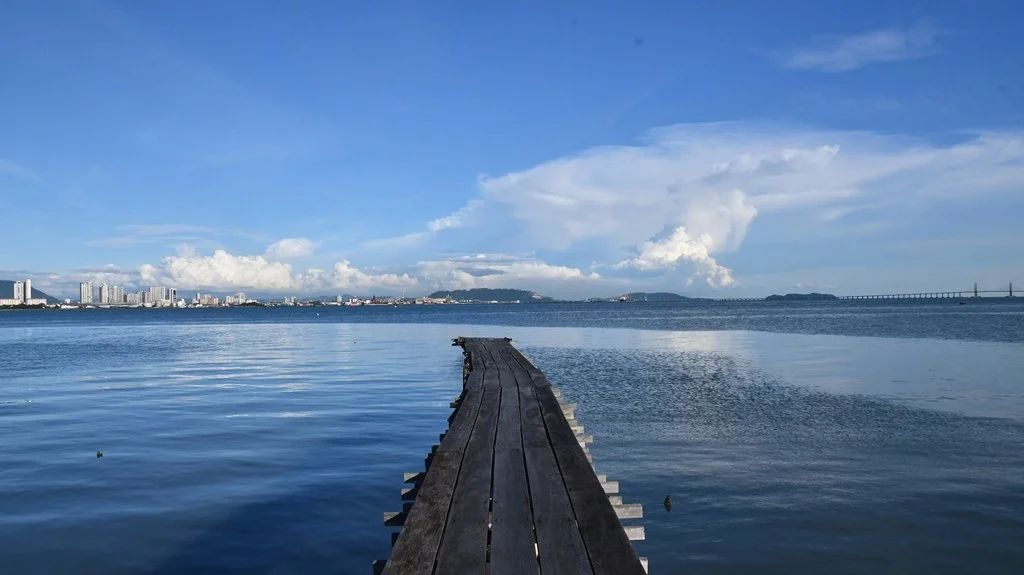
View from Chew’s Jetty
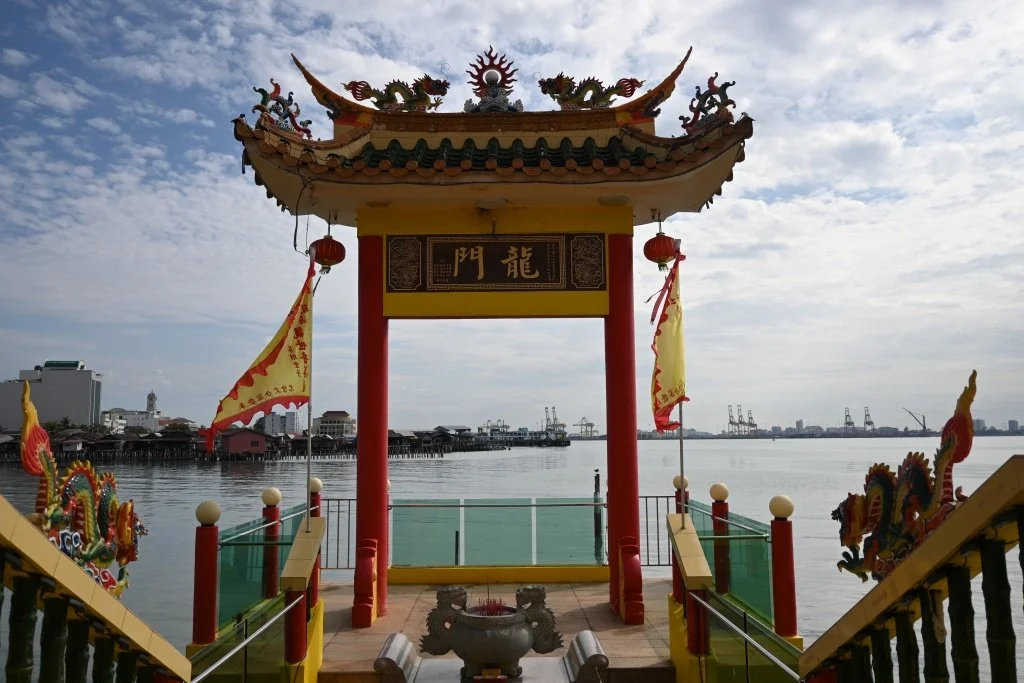
Hean Boo Thean Kuan Yin Temple
Visit the Blue Mansion
The Cheong Fatt Tze Mansion — better known as the Blue Mansion — was once the home of one of the wealthiest men in Southeast Asia, and it remains one of the most distinctive buildings in George Town. The colour alone stops you on the street.
Daily guided tours run at 11am and 3.30pm and can be booked in advance online or at the site. The tour is genuinely informative — the history of the building and the man who built it are both worth knowing before you walk through the rooms. It also functions as a boutique hotel and occasionally hosts live music events, so it's worth checking what's on when you visit.
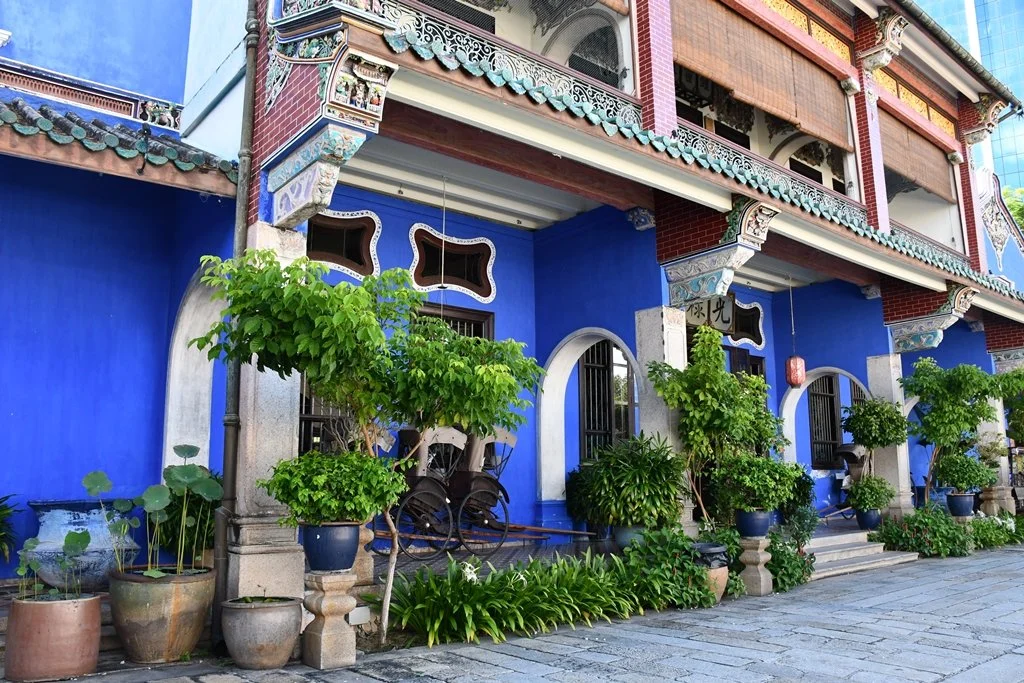
Cheong Fatt Tze Mansion (Blue Mansion), George Town
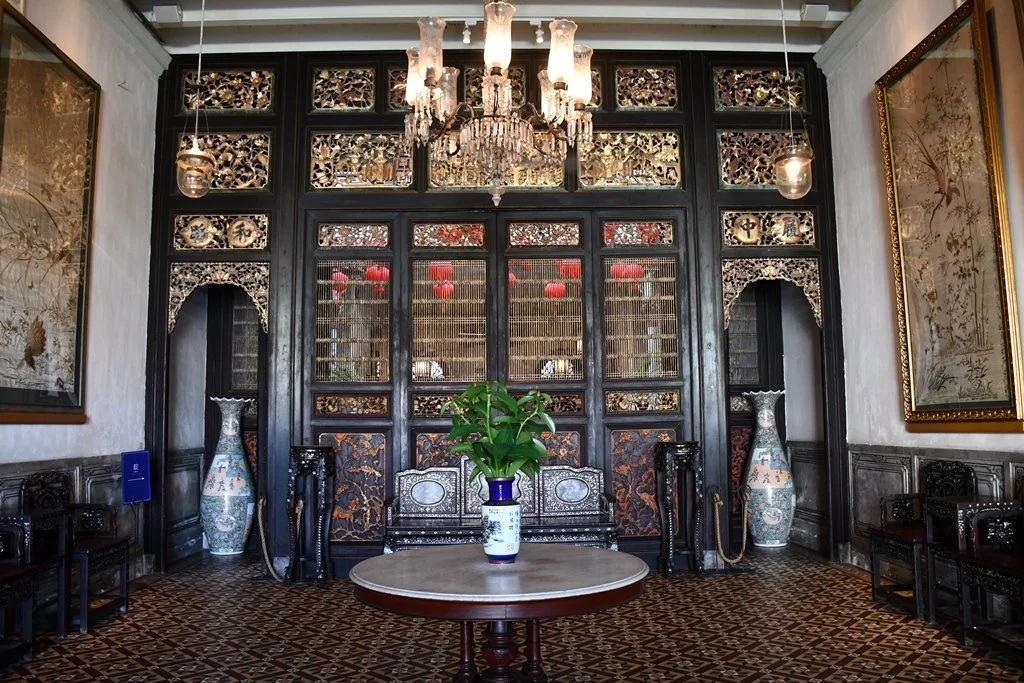
Inside the Blue Mansion — interior courtyard
Spend a Full Day at Penang Hill and Kek Lok Si
This is best treated as a full-day outing rather than a half-day addition, and pairs naturally together.
Penang Hill is reached by funicular railway from the base station at Air Itam. The hill sits at around 833 metres above sea level and the temperature drop from the city below is immediate and noticeable. The views across George Town and the strait are clear on a good day.
Penang Hill Habitat — the treetop walk on the hill — requires a separate ticket but is worth it. It's a well-designed attraction that gives you a different perspective on the hill's forest, and it's quieter and more considered than it might sound. I'd recommend booking in advance.
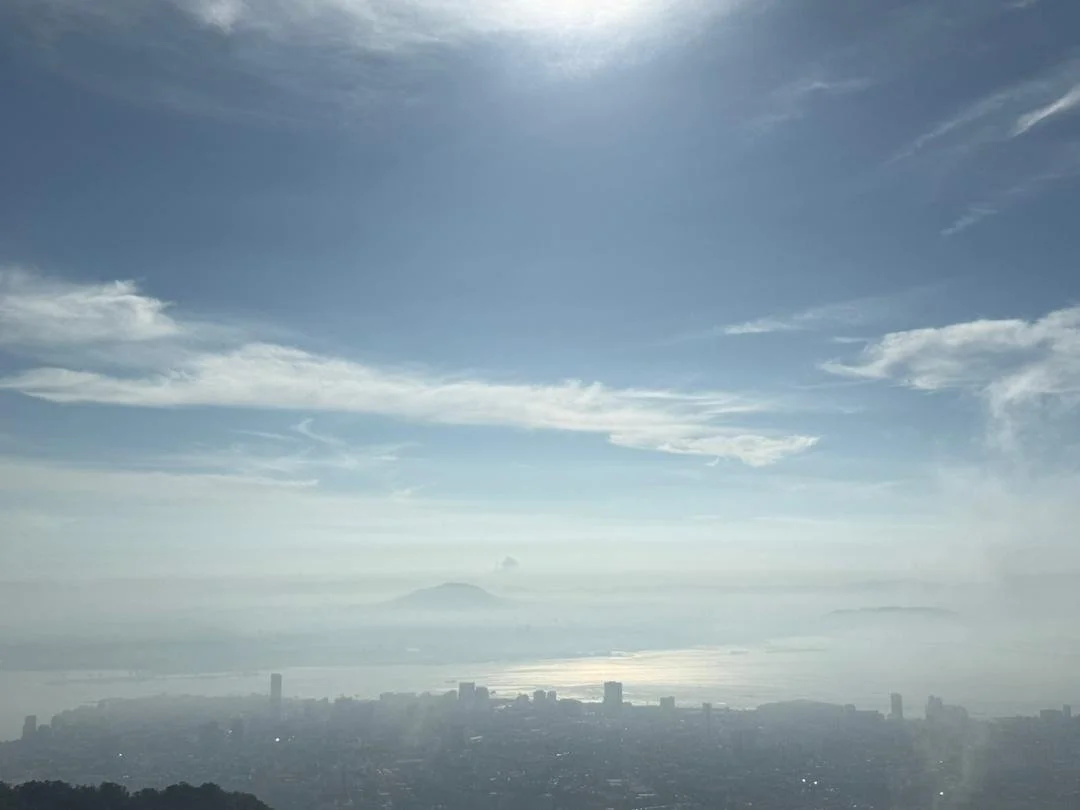
View from Penang Hill
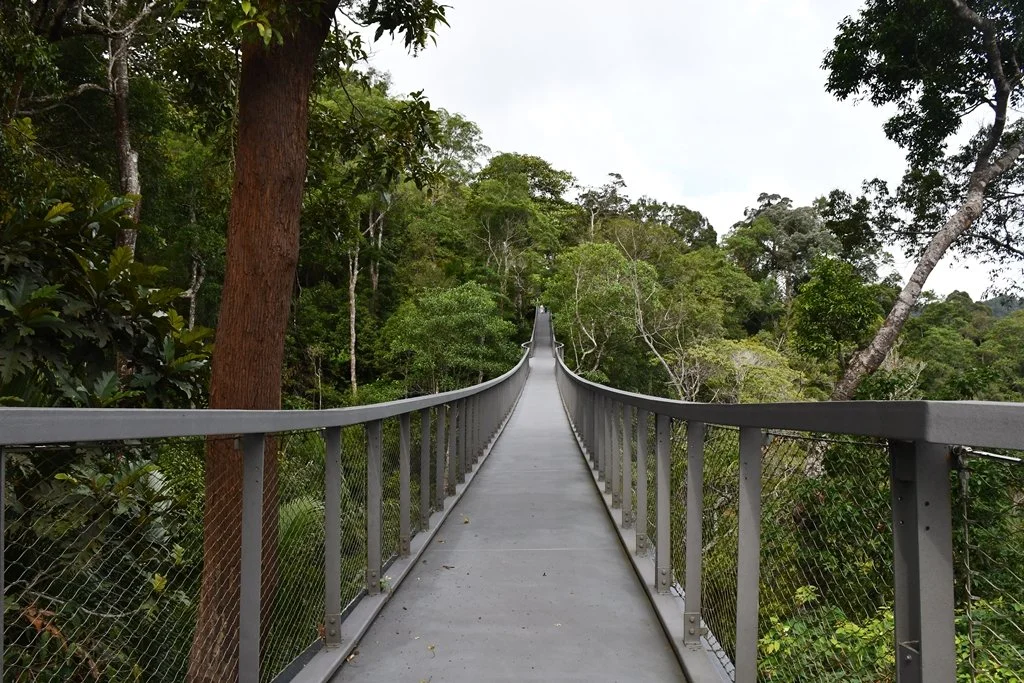
Penang Habitat
Kek Lok Si Temple, the largest Buddhist temple in Malaysia, is a short distance from the hill base and natural to visit in combination. The approach — through a covered market leading up to the temple complex — is part of the experience. Allow more time than you think you need; the grounds are extensive and the views from the upper pavilion are worth climbing to.
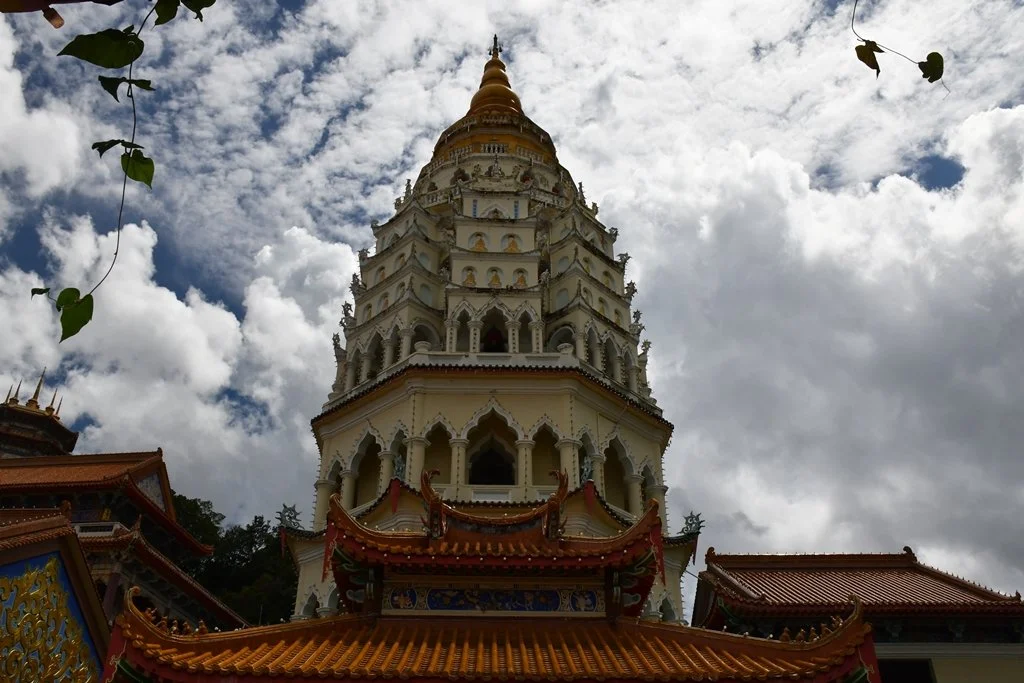
Kek Lok Si Temple
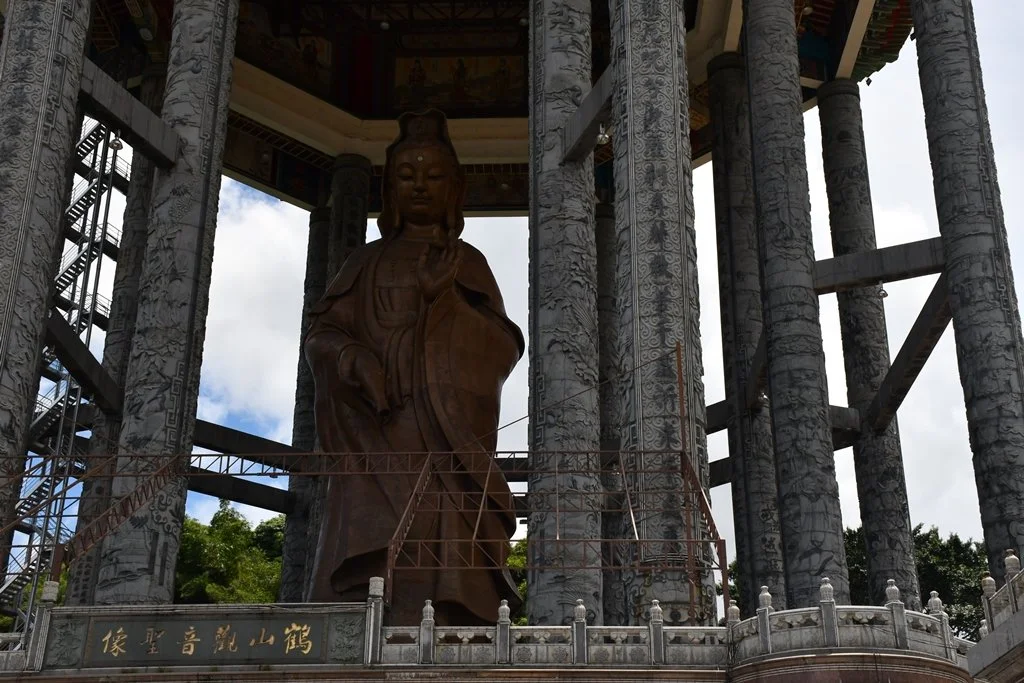
Guan Yin statue at Kek Lok Si Temple
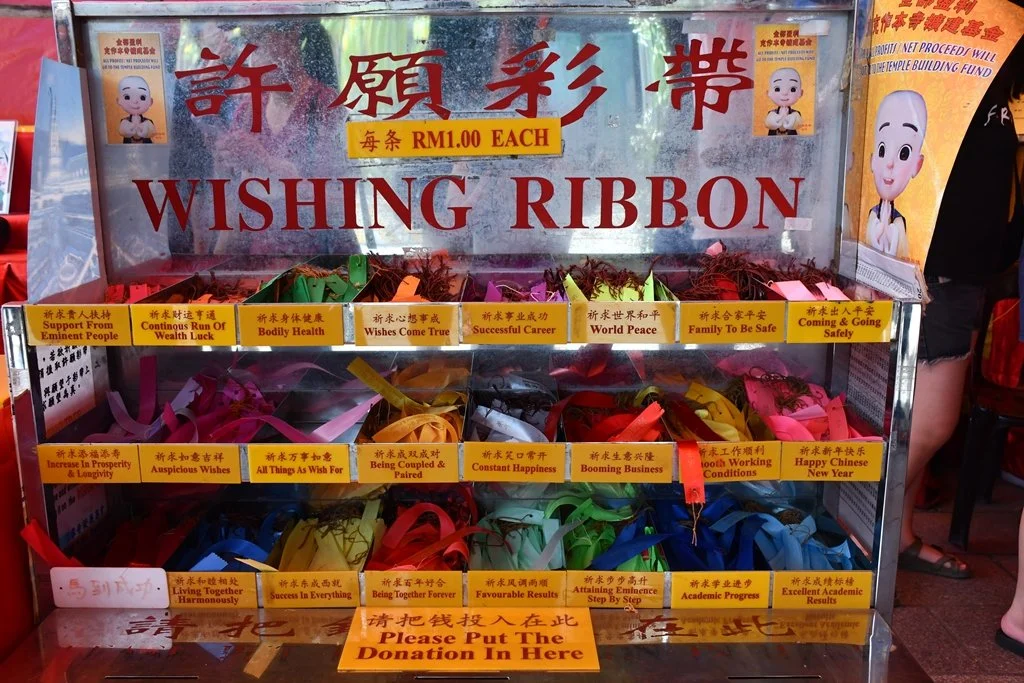
Wishing ribbons
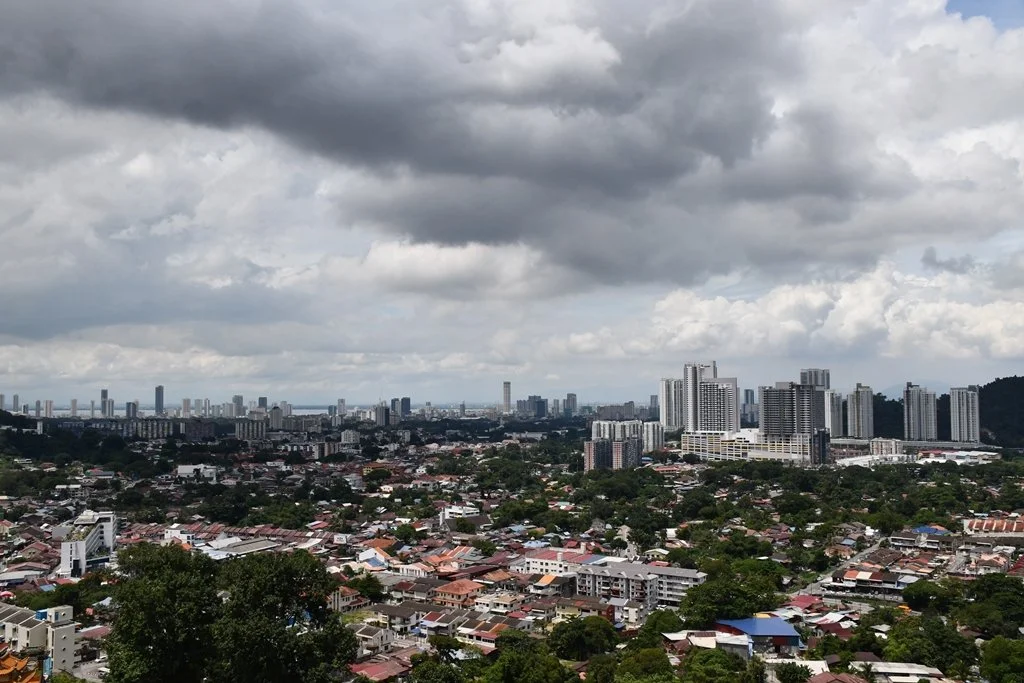
View from top of Kek Lok Si
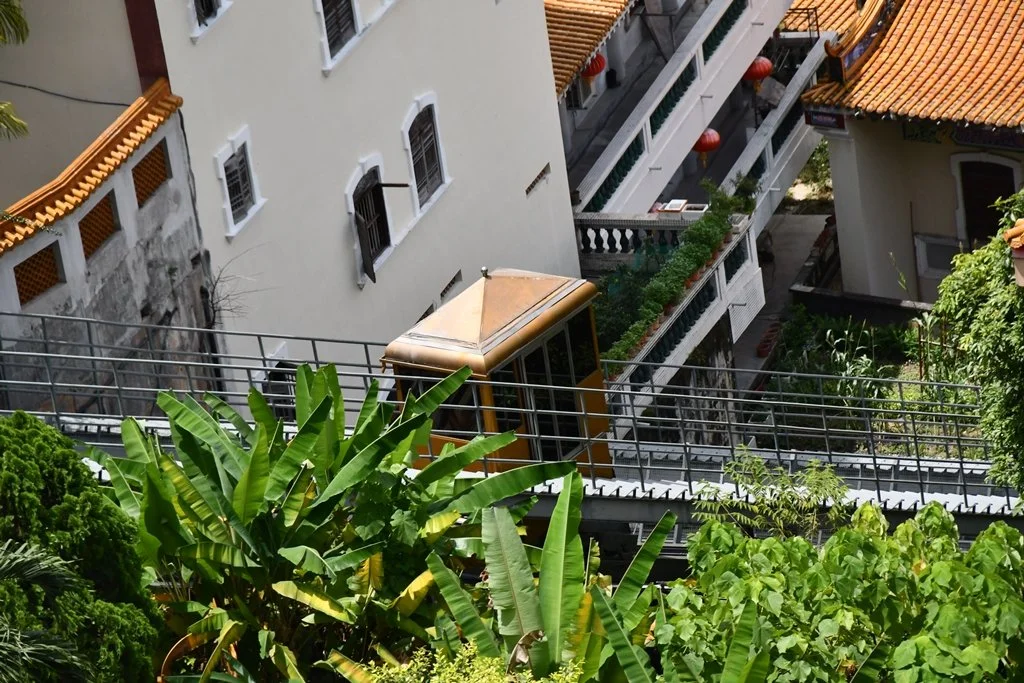
Kek Lok Si Temple funicular lift
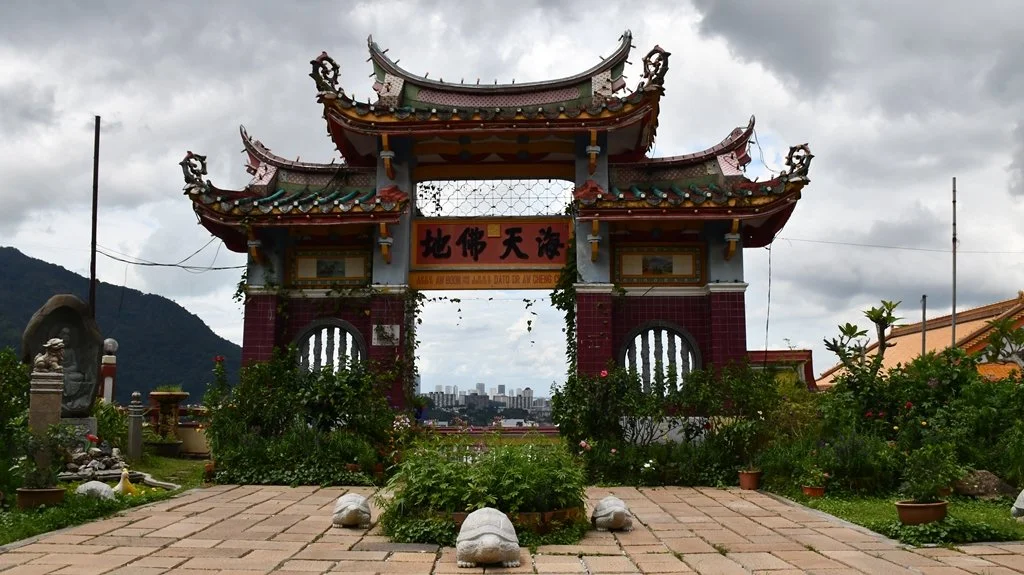
Kek Lok Si Temple, Penang
Other Stops Worth Making
St. George's Anglican Church is one of the oldest Anglican churches in Southeast Asia, sitting quietly in the civic precinct near the Esplanade. Easy to walk past without stopping — worth not doing that.
Chowrasta Market is where you go for Penang's edible souvenirs: nutmeg products, dried fruits, pickled snacks, and local provisions that have been sold here for generations. More on this in the shopping section below.
Penang Botanic Gardens is a good option if you want green space and a slower pace away from the heritage streets. It's further from the George Town core so factor in a Grab ride each way.
If you're visiting around February, ask about the sakura spot — there's a flowering tree that draws a quiet but consistent crowd during bloom season.
What to Eat in Penang
I'll be honest: Penang's food reputation is not exaggerated. If anything it undersells the experience of actually being there. Think of this as a Penang food guide built from multiple trips rather than a complete directory — I'll tell you what I've eaten and where, not everything that exists.
Char Koay Teow
This is the one dish most people associate with Penang, and rightly so. Flat rice noodles, wok-fried over charcoal with egg, bean sprouts, cockles, and lap cheong — the charcoal heat is what separates a Penang Char Koay Teow from every other version of it you've had anywhere else.
The places most consistently recommended, and the one I keep returning to myself: Chong Charcoal Char Koay Teow is the stall I've been to personally and would go back to without hesitation. Beyond that, names that come up repeatedly among people who know Penang food well: No. 5 Char Koay Teow, Siam Road Charcoal Char Koay Teow, and Goggles Man Char Kuey Teow. Kafe Ping Hooi and Kheng Pin Café are both kopitiam worth knowing — good for sitting down properly with more than just one dish.
The popular stalls draw queues, especially on weekends. Going early is generally the right move.
Dim Sum
Penang's dim sum culture deserves more credit than it usually gets in the food conversation. Tai Tong Restaurant is where I've been, and it's old-school in the best sense — the kind of place where the room is already full before most people have had breakfast. Tho Yuen and Yong Pin are two others that come consistently recommended if you're looking to explore further.
Go early. Dim sum in Penang is a morning activity, and the better stalls sell out.
The Other Dishes You Shouldn't Miss
Oh Chien (Fried Oyster Omelette) — egg, starch, and oysters fried together into something that shouldn't work as well as it does. A Penang hawker staple that rewards ordering without overthinking it.
Char Koay Kak (Fried Carrot Cake) — not actually made with carrot; the name refers to the radish cake that gets fried up with egg and preserved radish. Sister Yao's Char Koay Kak is the one worth finding.
Cendol — shaved ice with green rice flour jelly, coconut milk, and gula Melaka. It's a dessert and a heat remedy in one. Penang Road Teochew Chendul is the name most people mention first, and it earns the reputation.
Nasi Kandar — the rice-based meal that is, arguably, the other great Penang food institution alongside Char Koay Teow. Rice with an array of curries, proteins, and gravies ladled over the top. Hameediyah Nasi Kandar is the oldest Nasi Kandar restaurant in Penang, which tells you something. Deen Maju Nasi Kandar is another solid option.
Nyonya food — the Peranakan (Straits Chinese) culinary tradition is distinct from both Chinese and Malay cooking, and Penang is one of the best places in Malaysia to eat it properly. Richard Rivalee is where I've gone for this. For Nyonya kuih — the small, intricate steamed and coconut milk-based sweets — Moh Teng Pheow is the name to know.
Wonton Mee — Mother and Son Wonton Mee appears on Carnarvon Street at night, which I'll cover in the next section. If you only have one bowl of Wonton Mee in Penang, make it this one.
Teksen Restaurant is on my list for the next trip — a Penang-Cantonese restaurant that has earned a loyal following through years of consistent cooking. Worth researching if you're after a proper sit-down meal rather than a hawker stop.
Breakfast and Coffee
Two places that deserve their own mention for the morning hours:
Toh Soon Cafe is a narrow, alley-set kopitiam famous for its charcoal-toasted bread and half-boiled eggs. The setting is as much the point as the food.
Hutton Lane Roti Bakar and Roti Canai Gemas Road are both worth knowing for a simple, unhurried Penang morning — toast or roti with a cup of white coffee, before the streets fill up.
Street Foods — Morning and Night Markets
George Town's food markets span morning and night, each street with its own rhythm and character. These are the ones worth putting on your list:
7th Road Market (Pasar Lebuh Cecil) runs in the morning — worth knowing so you plan around it rather than arriving to find it already done for the day. Note that some stalls don't operate on Sundays, so factor that in if your visit falls on a weekend.
Kimberley Street Food Night Market is one of the most established and is a good starting point — dense with stalls, easy to navigate, and reliably busy on most nights.
Chulia Street Night runs along one of George Town's oldest streets and has a mix of food stalls and a lively enough atmosphere that makes it easy to linger.
Campbell Street is worth adding to your evening loop — shorter and less hectic than some of the bigger markets, which I find makes it easier to actually eat rather than just queue.
Carnarvon Street Night Market is where you'll find Mother and Son Wonton Mee — which alone makes it worth the detour. Go hungry and go with time to spare.
Macallum Street Night Market sits slightly outside the heritage core and is a little less tourist-oriented as a result, which I mean as a compliment.
Most hawker stalls and night markets are best visited from early evening onwards. Going too late on a weeknight risks finding some stalls already packed up.
What to Buy in Penang
Penang has a specific set of things worth bringing home — most of them edible, almost none of them the kind of thing you'd find in an airport gift shop. Chowrasta Market is the best single stop: a working wet and dry market near Penang Road that has been selling local produce and provisions for generations. It's where I go every trip, and where most of what's on this list can be found in one place.
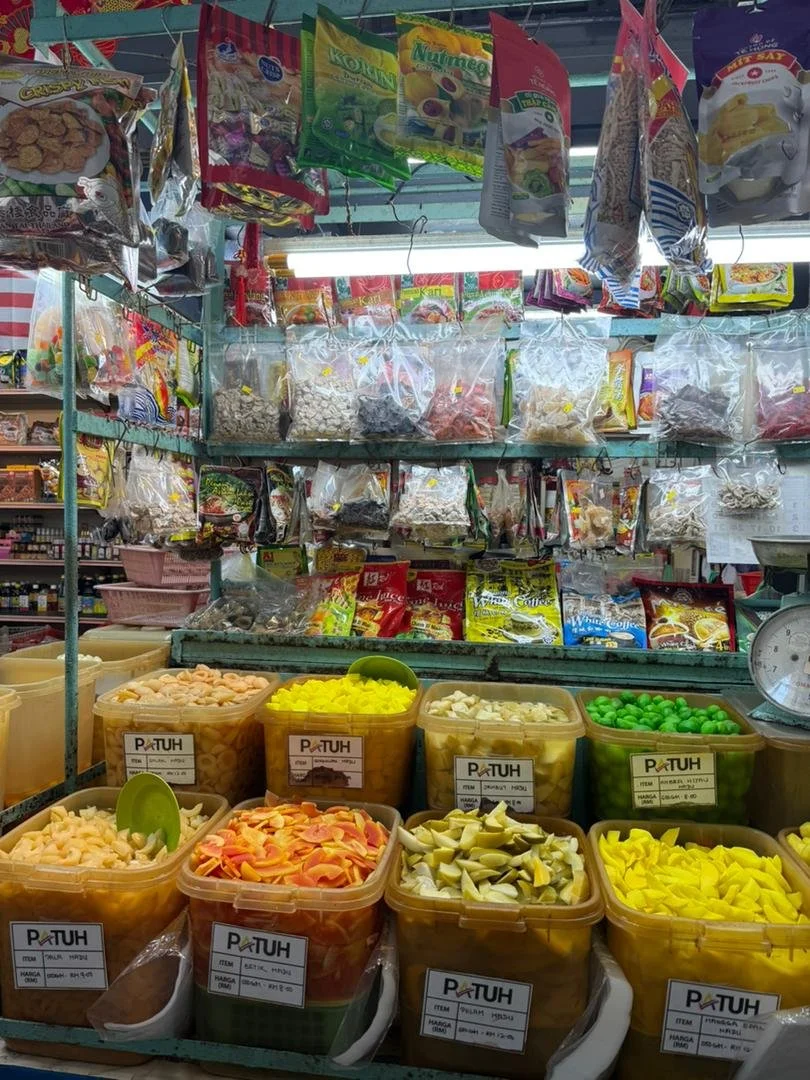
Pickled fruits at Chowrasta Market
Nutmeg products are among the most distinctly Penang things you can buy, and the dried nutmeg from Chowrasta is what I've come home with myself. Nutmeg syrup is another option worth looking for while you're there — both travel well and are harder to find outside Penang.
Tau Sar Piah — also called Tambun biscuits — are small, flaky pastries filled with mung bean paste. They're one of Penang's most well-known baked goods and available across the city, but picking them up fresh makes a difference.
Dodol comes in more varieties here than you'll find most places: original gula Melaka, durian, pineapple, and pandan among them. It's a dense, sticky Malay confection that keeps well and packs easily.
Buah Jeruk (Pickled Fruits) — sweet and sour preserved fruits that are very much a Penang institution. Jeruk Madu Pak Ali is the name to look for.
Kacang Tumbuk (Peanut Candy) is a traditional handmade peanut brittle that's been made in Penang for well over a century. Simple, good, and gone faster than you expect.
Penang White Curry Mee in instant form — the kind of souvenir that actually gets used rather than displayed. A reasonable approximation of one of Penang's best noodle dishes, for the days you're back home and missing it.
Durian snacks — if you're a durian person, Penang does durian coffee and durian chocolate that are worth picking up. If you're not a durian person, you already know to skip this.
Traditional Chinese tea — worth browsing the tea shops in George Town if you have the time. Cheng Woh is one to look for, though the area has several worth stepping into.
Most of the edible items here are available at Chowrasta Market in one stop. For a more leisurely browse, the heritage shopfronts and provision shops scattered through George Town often carry the same things in smaller quantities — and the shops themselves are worth seeing.
Chowrasta Market covers most of what's worth bringing home — allow enough time to browse properly rather than rushing through.
Practical Tips Before You Go
How many days do you need?
Three days and two nights is enough to cover the main ground — George Town on foot, a day trip to Penang Hill and Kek Lok Si, and enough meals to start forming opinions about whose Char Koay Teow is better. If you have a fourth day, use it to go slower rather than add more stops.
Where to base yourself?
George Town, without question. Staying inside the heritage zone means you're already where you want to be when you wake up, and you won't need transport for most of the day.
What to wear and bring?
Penang is hot and humid year-round — light, breathable clothing is the only sensible option. Comfortable walking shoes matter more than you'd think; the heritage streets are uneven in places and you will cover more ground than you planned. A small bag for your camera, water, and whatever you pick up along the way is all you need.
Best time to visit?
Penang is a year-round destination, but if you're visiting between October and November, expect the Northeast Monsoon to bring heavier rain. The weather is generally more forgiving between December and February.
If your visit falls around Chinese New Year — typically late January to mid-February — George Town transforms in a way that's worth planning around. The streets fill with red lanterns, oversized decorations appear at street corners and in the parks, and the energy of the city shifts noticeably. My 2026 trip landed just before CNY, and the decorations were already fully up — inflatable Caishen figures on the street corners, drum displays and lantern arrangements in Armenian Street Park. It's one of those things you don't expect and then find yourself photographing for an hour.
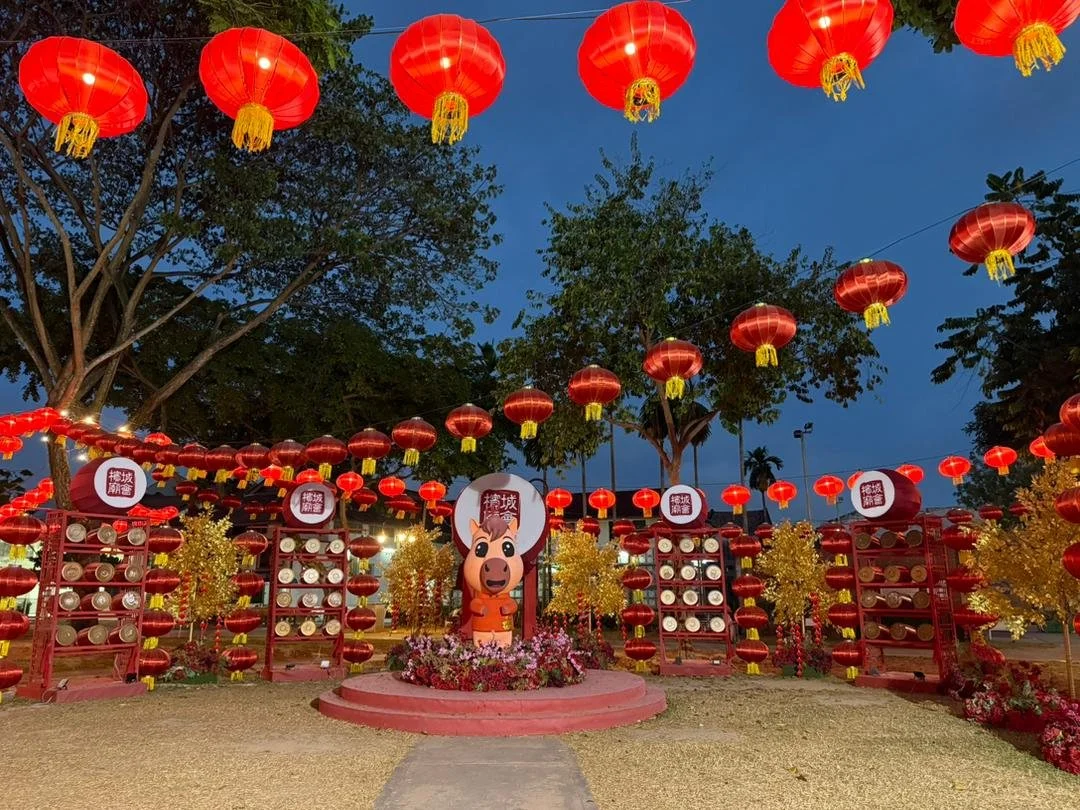
Chinese New Year decoration at Armenian Park (Horse Year - 2026)
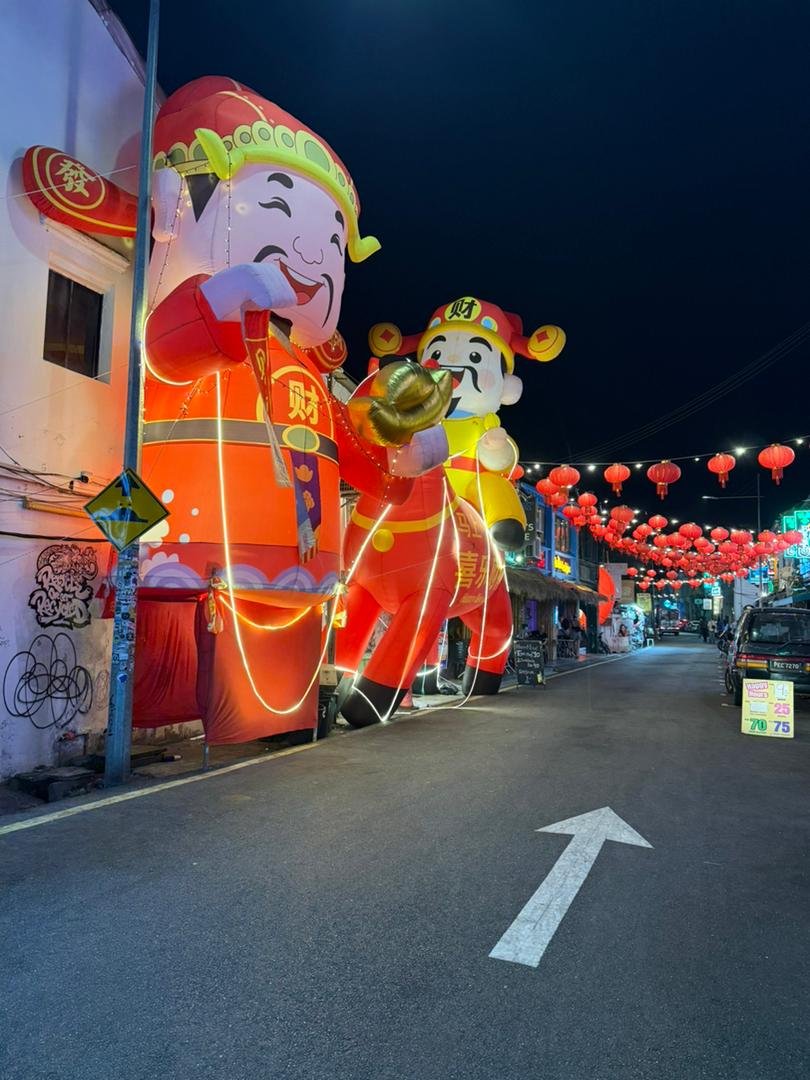
Inflatable Caishen (God of Fortune) figures against the lantern-lit street at night.
The sakura spot is also worth asking about locally if you're visiting around February — a flowering tree that draws a quiet but consistent crowd during bloom season.
Getting around?
Walk as much as possible within George Town. Use Grab for anything beyond the heritage core — it's reliable, available, and takes the stress out of navigating unfamiliar roads.
Is Penang safe?
In my experience, yes — and consistently so across three trips. Penang ranked 77th globally in Numbeo's 2025 safety index, which puts it among the safer cities in Southeast Asia. The usual common sense applies — watch your belongings in busy markets and crowded streets — but the city doesn't require the kind of vigilance that some other destinations do.
What Should I Book in Advance?
ETS train tickets sell out on weekends and public holidays — book through the KTM website or app as early as you can. The Cheong Fatt Tze Mansion guided tours and Penang Hill Habitat can also be booked in advance, which is worth doing rather than leaving it to chance on the day.
Is Penang Worth Visiting?
Without hesitation. For the food alone, the answer is yes — but Penang is also one of the most walkable, photographable, and culturally layered cities in Malaysia. Three trips in, I'm still finding reasons to come back. These Penang Malaysia tips are drawn from all three visits, and they'll keep updating as I return.
Why I Keep Coming Back
I've thought about this a fair amount, because the honest answer isn't simply that Penang is a good city to visit — though it is.
It's that Penang is a city that responds to attention. The more slowly you move through it, the more it gives back. The first trip, I was covering ground. By the second, I was starting to notice the things I'd walked past before. By the third, I was finding streets I hadn't reached on either of the previous visits, and realising that George Town is one of those rare places that doesn't flatten out the more familiar it becomes.
There are still things on my list. Jalan Kek Chuan, which I've somehow not walked yet despite it being on my radar since the first trip. The Tanjung Bungah Floating Mosque at the right time of day. Batu Ferringhi Beach when I'm not already full of plans. Balik Pulau, which people who know Penang well keep mentioning as worth the drive. The bookshop Gerakbudaya @ Hikayat, which has been noted down and not yet reached. Little India, Kapitan Keling Mosque, the Kuan Yin Temple — all still waiting.
I'll keep updating this guide each time I go back. Not because it's incomplete, but because Penang isn't finished with me yet.
Where to Go After Penang
Penang works well as a standalone trip, but it also connects naturally to other parts of Malaysia depending on what you're looking for next.
For heritage and slower pace:Taiping is 90 minutes south of Penang by car — Malaysia's oldest town, with lake gardens built on abandoned tin mines and almost none of the crowds. It pairs naturally with Penang for a 5-7 day Perak itinerary.
For KL exploration: If you haven't spent time in Kuala Lumpur yet, the city rewards the same slow approach — exploring KL by neighbourhood reveals a different Malaysia from the one most visitors see.
For island time: After George Town's food and heritage walking, Pulau Rawa's simplicity feels like a different Malaysia entirely — small island, clear water, no motorized water sports, genuine quiet.
Penang Quick Summary
Best for: Heritage architecture, street food, and a city best seen on foot
Trip length: 3 days, 2 nights covers the main ground. A fourth day is for going slower, not adding stops
Getting there: ETS train from KL Sentral to Butterworth, around 4 hours. Then either the ferry (about 20 minutes, arriving at Pengkalan Weld in George Town) or Grab from Penang Sentral (30–40 minutes). Book ETS tickets in advance through the KTM website or app — weekends and public holidays sell out
Where to stay: Inside the George Town heritage zone. Hotel Penaga, Armenian Street Heritage Hotel, or Chulia Heritage Hotel
Must-do: George Town on foot, the Clan Jetties, the Blue Mansion, and a full day at Penang Hill and Kek Lok Si
Food highlight: Char Koay Teow. You will form opinions about whose is better
Best time to go: December to February. Avoid October and November when the Northeast Monsoon brings heavier rain
Getting around: Walk within George Town. Grab for anything beyond the heritage core
Not ideal for: Travellers who want to cover a lot of ground quickly. Penang rewards slowness and punishes rushing
Pair it with: Taiping, 90 minutes south by car or a short train ride from Butterworth. 5–7 days covers both comfortably
Frequently Asked Questions
Is Penang worth visiting?
Yes — Penang offers one of Malaysia's richest concentrations of heritage, food, and street art in a compact, walkable area. George Town's UNESCO zone rewards slower exploration, and the food reputation is genuinely earned.
How many days do you need in Penang?
3 days minimum for George Town, 5 days if adding Penang Hill, Kek Lok Si, and the clan jetties.
How to get from Kuala Lumpur to Penang?
Four options: ETS train (4 hours, most comfortable), fly (1 hour), bus (4-5 hours, cheapest), or drive (4-5 hours). The ETS train is recommended for the scenic route and comfort.
Where should I stay in Penang?
Stay in George Town's heritage zone in a converted shophouse hotel for the full experience.
Is George Town walkable?
Yes — the UNESCO heritage zone is compact and designed for walking. Most attractions, temples, street art, and food are within comfortable reach on foot.
What is Penang famous for?
Three things: food (especially Char Koay Teow and Asam Laksa), heritage (UNESCO-listed George Town architecture), and street art (particularly Ernest Zacharevic's murals).
Is Penang safe for tourists?
Yes — Penang ranked 77th globally in Numbeo's 2025 safety index, making it one of the safest cities in Southeast Asia.
What is the best time to visit Penang?
December to February (dry season, cooler weather). Avoid major Malaysian public holidays if you want fewer crowds.
Do I need a car in Penang?
No — walk within George Town, use Grab for Penang Hill, Kek Lok Si, or anywhere beyond the heritage core.
What is the UNESCO heritage site in Penang?
George Town's historic inner city, inscribed in 2008 for its unique architectural and cultural townscape. The site includes colonial buildings, Chinese clan houses, temples, mosques, and lived-in shophouses.
Where to Go After Penang
For more heritage and history: Taiping (90 minutes south) offers lake gardens, colonial architecture, and a slower pace — it's Malaysia's most underrated heritage city.
For island time: After George Town's food scene and heritage walking, Pulau Rawa island simplicity feels like a different Malaysia entirely. White sand, clear water, and nothing much to do except exactly that. It's a 4-5 hour drive (or fly to Johor Bahru then drive), so better suited to longer trips.
For KL exploration: If you haven't spent time in Kuala Lumpur yet, consider a few days there either before or after Penang. The two cities offer different versions of urban Malaysia, and seeing one does make the other read differently.
You might also enjoy
🌏 Wander · Kuala Lumpur, Slowly
🌏 Wander · Why Taiping Is Malaysia's Most Underrated City (And What to Do There)
🌏 Wander · Is Pulau Rawa Worth the Trip? Your Complete Guide to Malaysia's Hidden Island Paradise