My Diamond Sun: Chasing the Sunstar Effect
This photo essay traces one recurring detail across ten travel photos from six countries — the sunstar effect, the star-shaped flare created when sunlight passes a hard edge like a leaf, archway, or rooftop. The photographer first encountered the related phenomenon Diamond Fuji while researching Mount Fuji, then began noticing variations of the same light everywhere.
I first heard about Diamond Fuji while researching a trip to Mount Fuji — the moment the sun sits exactly on the peak, for about two minutes, a few days a year. I didn't manage to catch this exact timing. But I started noticing something similar everywhere after that, and began calling it my own “Diamond Sun”. What I was actually chasing has a real name: the sunstar effect — the star-shaped flare you get when sunlight squeezes past an edge, like a leaf or a rooftop. I just didn't know that yet.
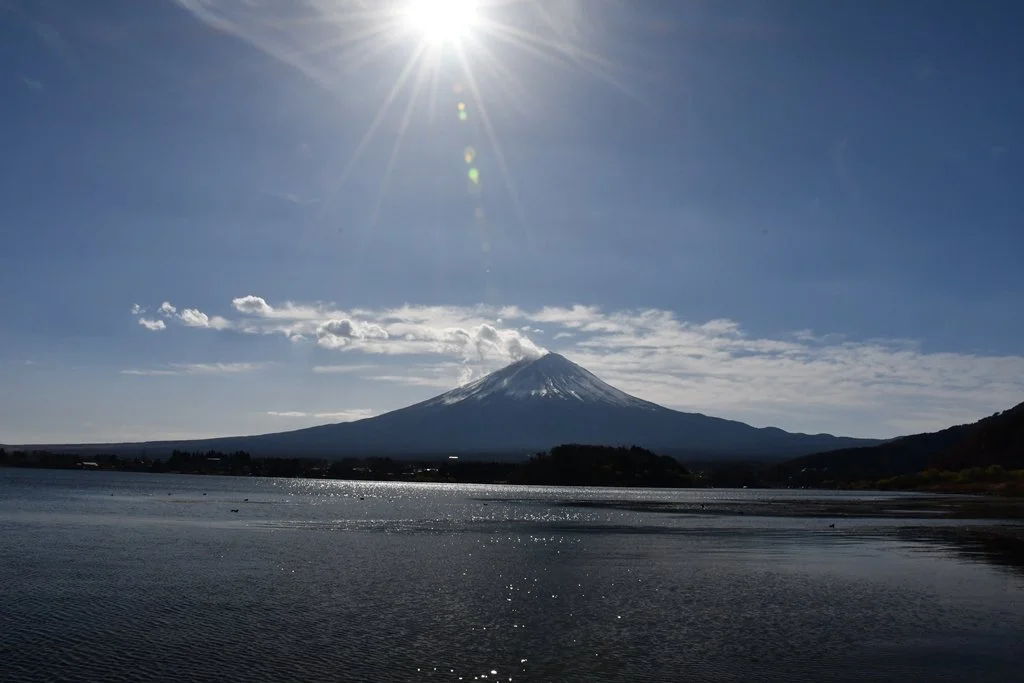
Mount Fuji, Japan
This is the photo that started it. The sun sits well above the peak here, not on it — proof I hadn't found Diamond Fuji, just something else worth chasing.
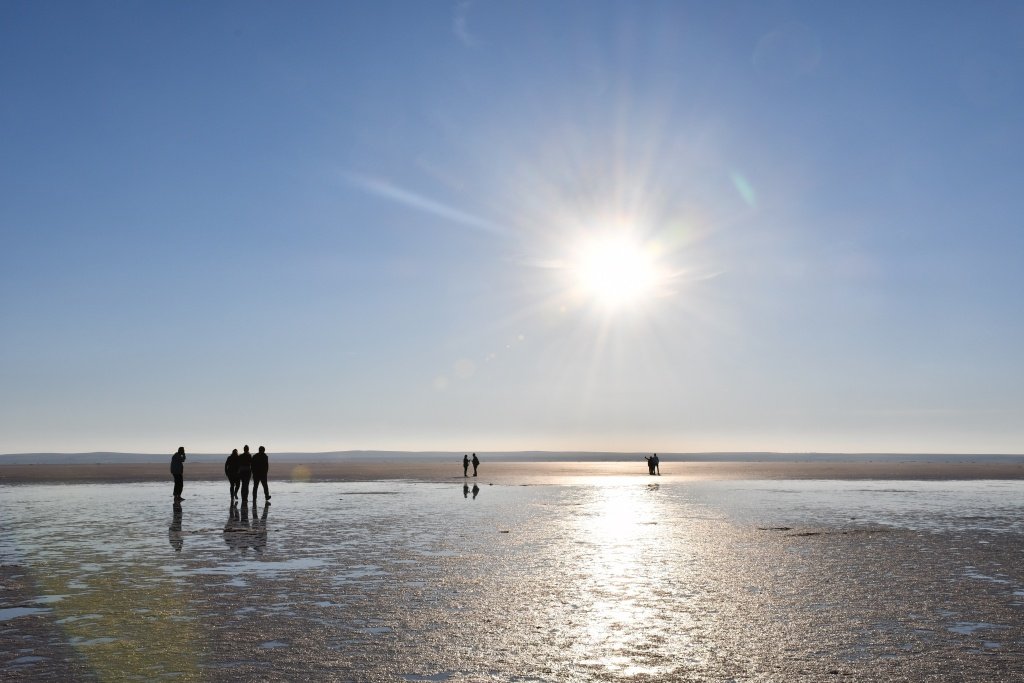
Salt Lake, Turkey
I waited for the group ahead of me to walk further out. The wet salt mirrored the rays back up, so I got the effect twice in one frame.
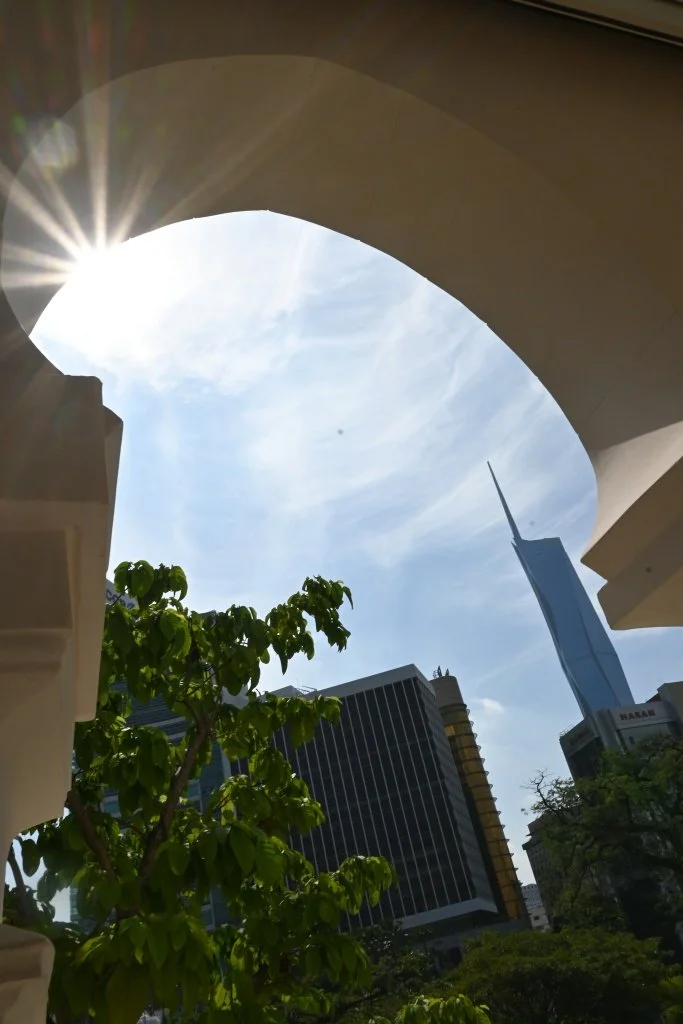
I shifted a few steps until the sun sat right at the curve of the Sultan Abdul Samad arch. Half a step either way and it disappeared completely.
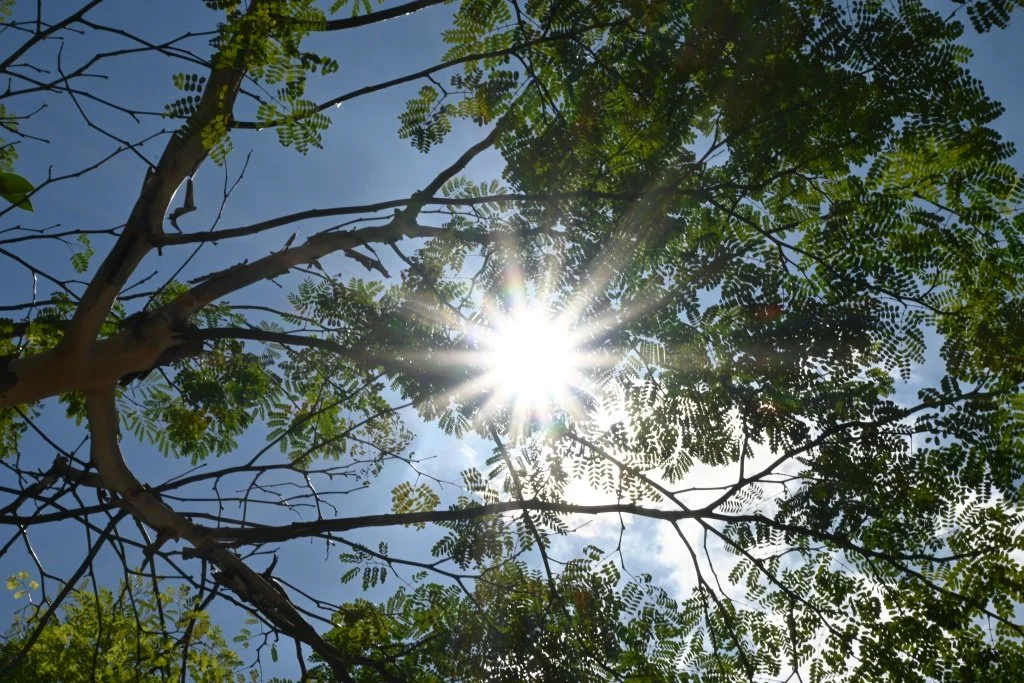
I tilted straight up to get this. The gaps in the leaves only lined up with the sun for a second at a time.
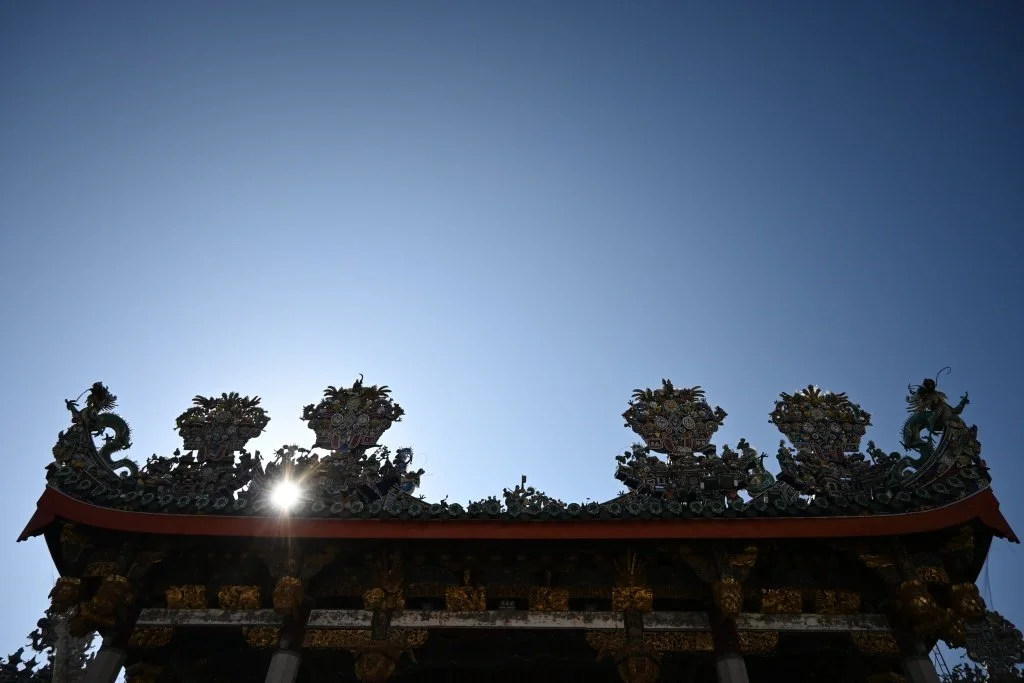
Khoo Kongsi, Penang, Malaysia
At Khoo Kongsi, the gap between the roof ornament and the sky was barely wider than the sun itself. I had maybe one good frame before it moved past.
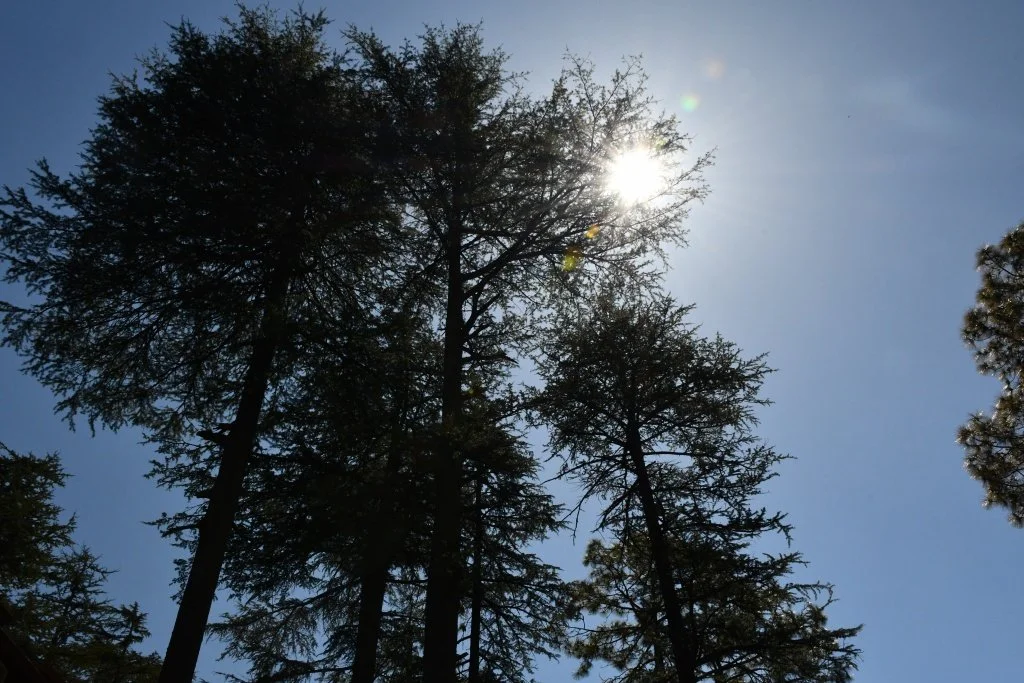
Shot through a moving windscreen on a cold morning, which explains the extra flare spots. I didn't stop the car for this one.
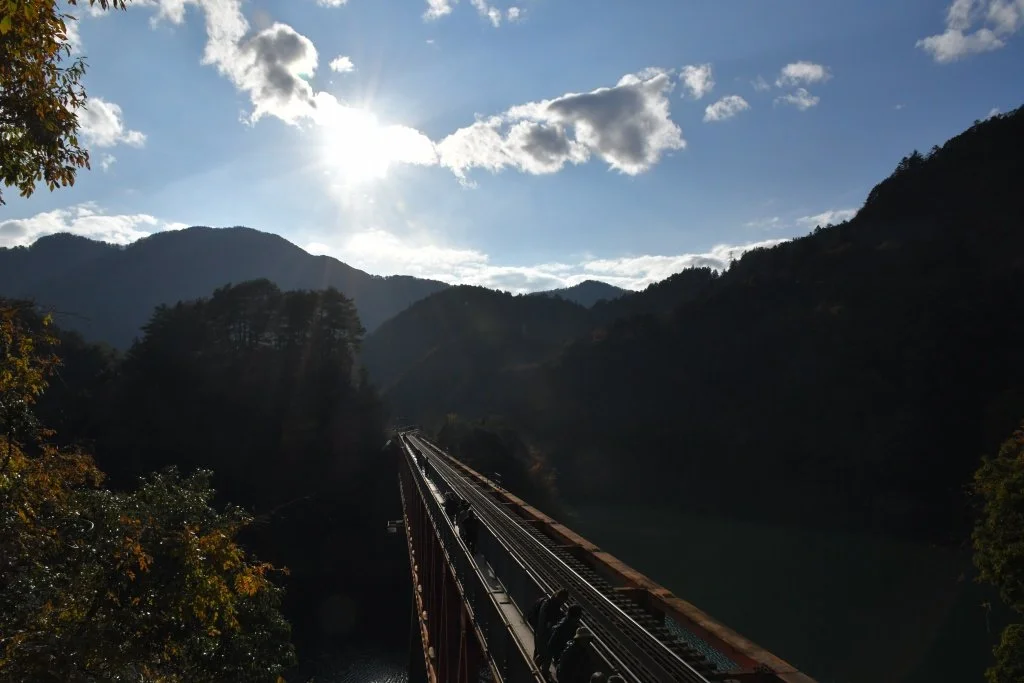
Okuoikojo Station Observatory, Shizuoka Prefecture, Japan
The cloud was doing most of the work here, not me. I just happened to be on the bridge when it broke apart enough to let the rays through.
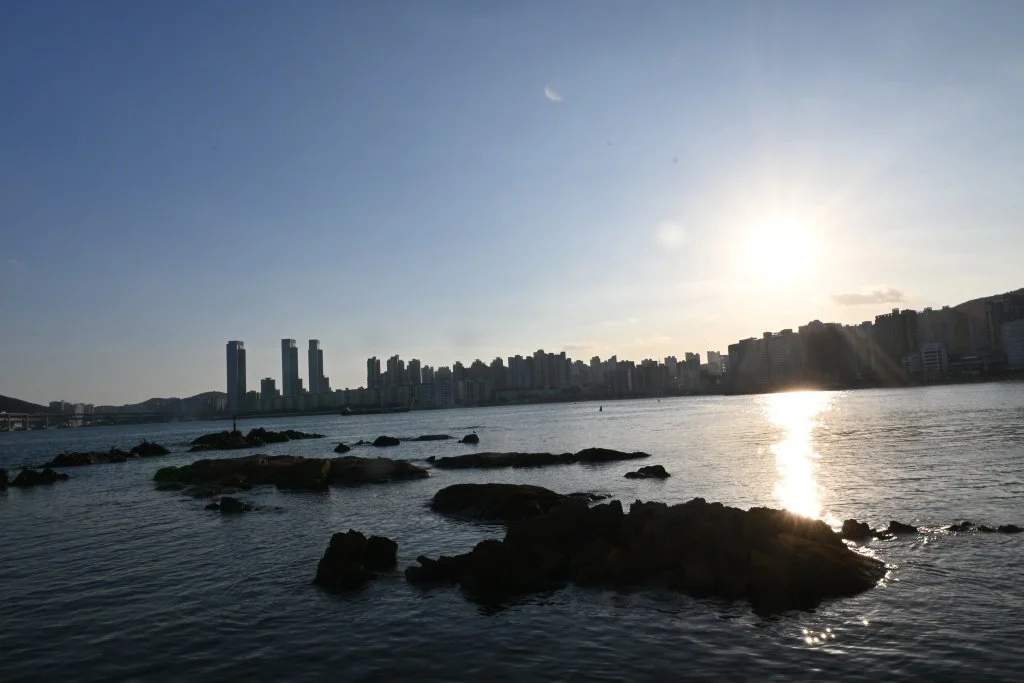
Songdo Skywalk, Busan, South Korea
Closer to sunset, the rays get longer and the light turns gold instead of white. Same effect, completely different mood.
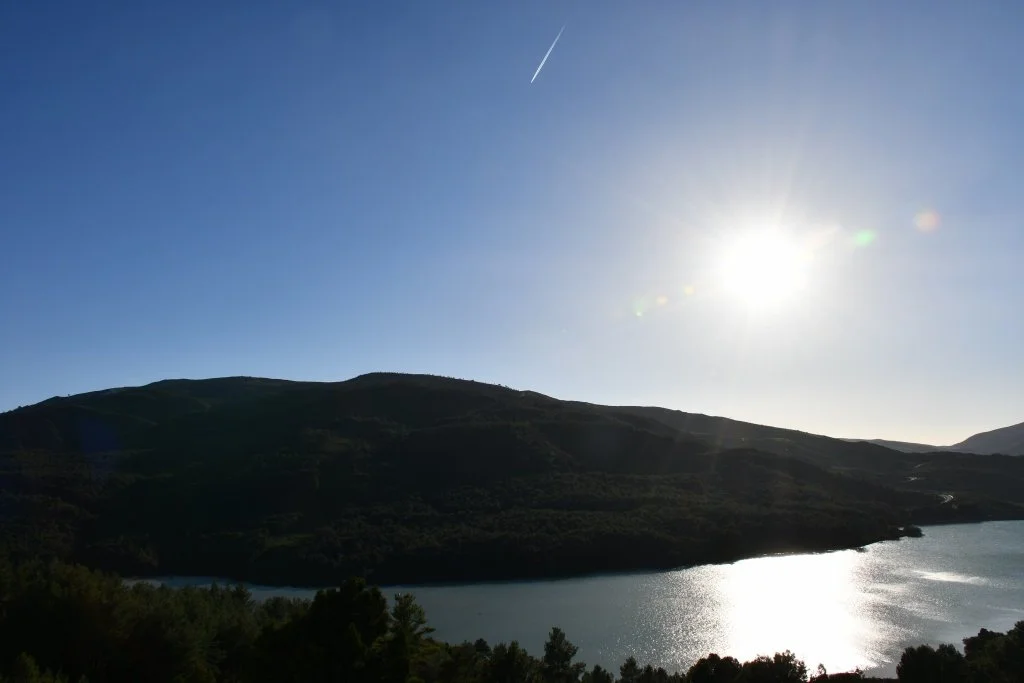
The plane trail wasn't planned. I only noticed it when I got home and looked at the photo properly.
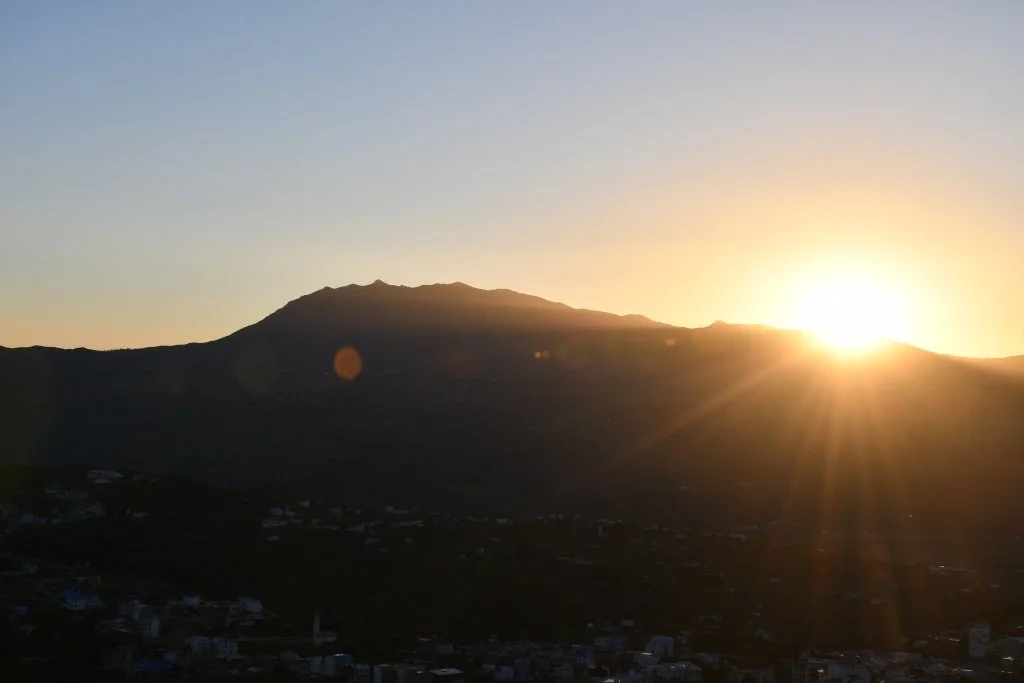
Overview of Chefchaouen, Morocco
By now the sun was almost behind the mountain. The rays stretch differently this close to the horizon — wider, softer, more orange than white.
I have a name for it now. I'm still chasing it.
Frequently Asked Questions
What is the sunstar effect?
A star-shaped flare created when sunlight passes a hard edge or a narrow camera aperture, splitting the light into points.
Is this the same as Diamond Fuji?
No. Diamond Fuji is a specific event where the sun aligns exactly with Mount Fuji's summit for about two minutes, a few days a year. A sunstar can happen anywhere, anytime the conditions are right.
Do you need a DSLR to get this effect?
No — several of these photos work with the sun simply blocked by an edge like a leaf or rooftop, regardless of camera type.
You might also enjoy
🌏 Wander · What It's Really Like to Visit Tibet
📸 Capture · Water and Sky: The Lakes of Tibet
📖 Reflect · The Stories Behind My Favourite Travel Photos